Peptide therapy, matched to your biology
Peptides and targeted longevity compounds each act on a specific biological pathway — from mitophagy to the oxytocin stress axis. The hard part isn’t the compound; it’s knowing which one fits you. A clinician-built protocol starts from your labs, not a trend.
- Clinician-prescribed
- Lab-monitored
- Personalized dosing
- HSA/FSA eligible
The idea
One category, many mechanisms


Every protocol comes with real clinical care — not a compound in the mail.
40
+
Biomarkers reviewed
Your labs are mapped to the protocol most likely to fit your biology.
4
Distinct pathways
Mitophagy, autophagy, mitochondrial energy and the oxytocin stress axis.
100
%
Clinician-reviewed
Prescription protocols are written by licensed clinicians and dispensed by certified pharmacies.
1
Protocol, built for you
Dosing is personalized and adjusted over time as your biomarkers change.
The research behind the mechanisms
Peer-reviewed studies on the pathways these compounds act on. Much of this work is mechanistic or in animal models — human longevity evidence is still emerging.
Rapamycin fed late in life extends lifespan in genetically heterogeneous mice (Nature, 2009)
Urolithin A induces mitophagy and prolongs lifespan in C. elegans and increases muscle function in rodents (Nature Medicine, 2016)
Methylene blue improves brain oxidative metabolism and memory retention in rats (Pharmacol Biochem Behav, 2004)
Oxytocin in the cardiovascular responses to stress (J Physiol Pharmacol, 2008)
Common questions
Peptide therapy uses short chains of amino acids — and, more broadly, targeted longevity compounds — chosen for specific biological pathways such as mitochondrial function, mitophagy or the oxytocin stress response. At Healthspan these are prescribed and monitored by licensed clinicians; the goal is to match a mechanism to your biology, not to sell a single product.
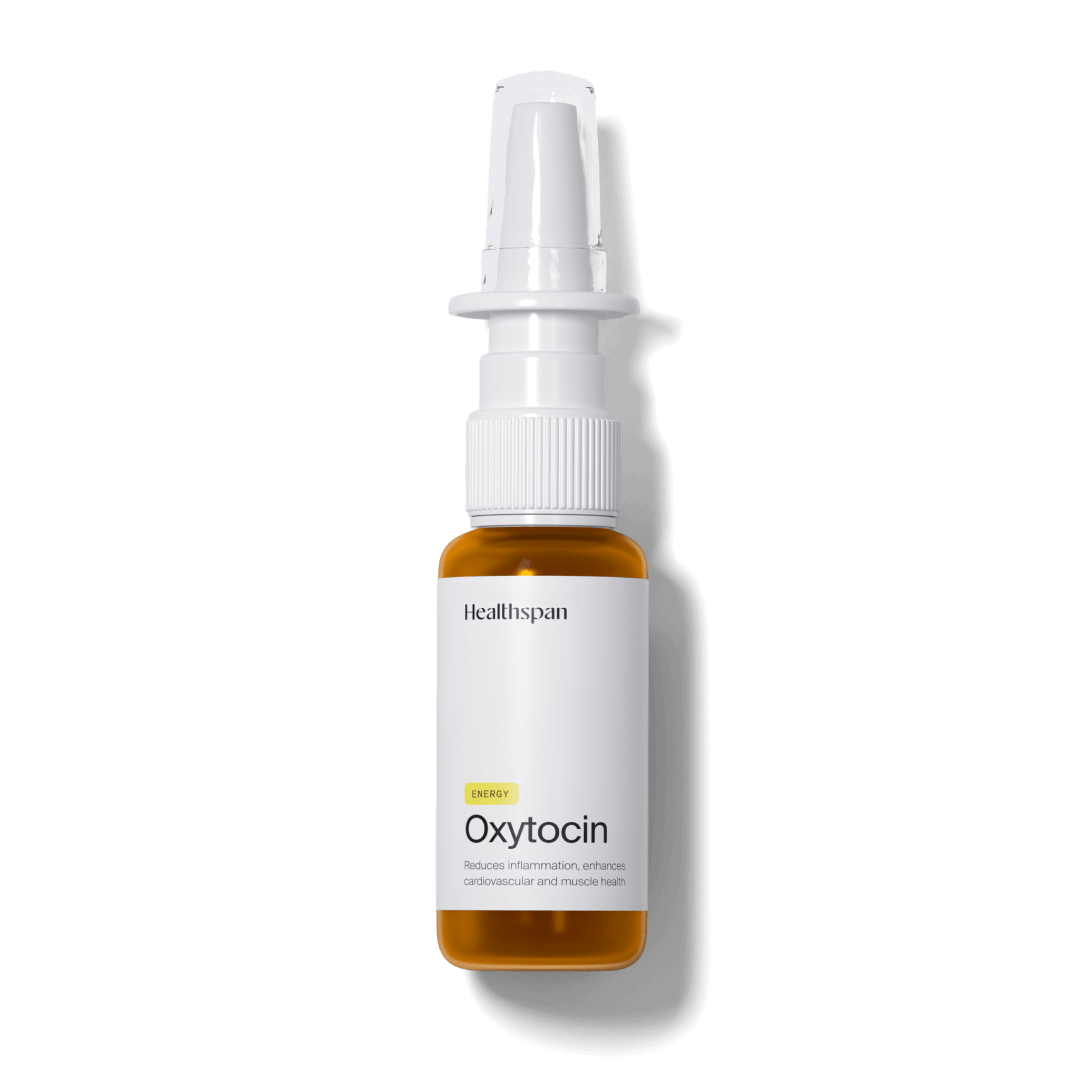
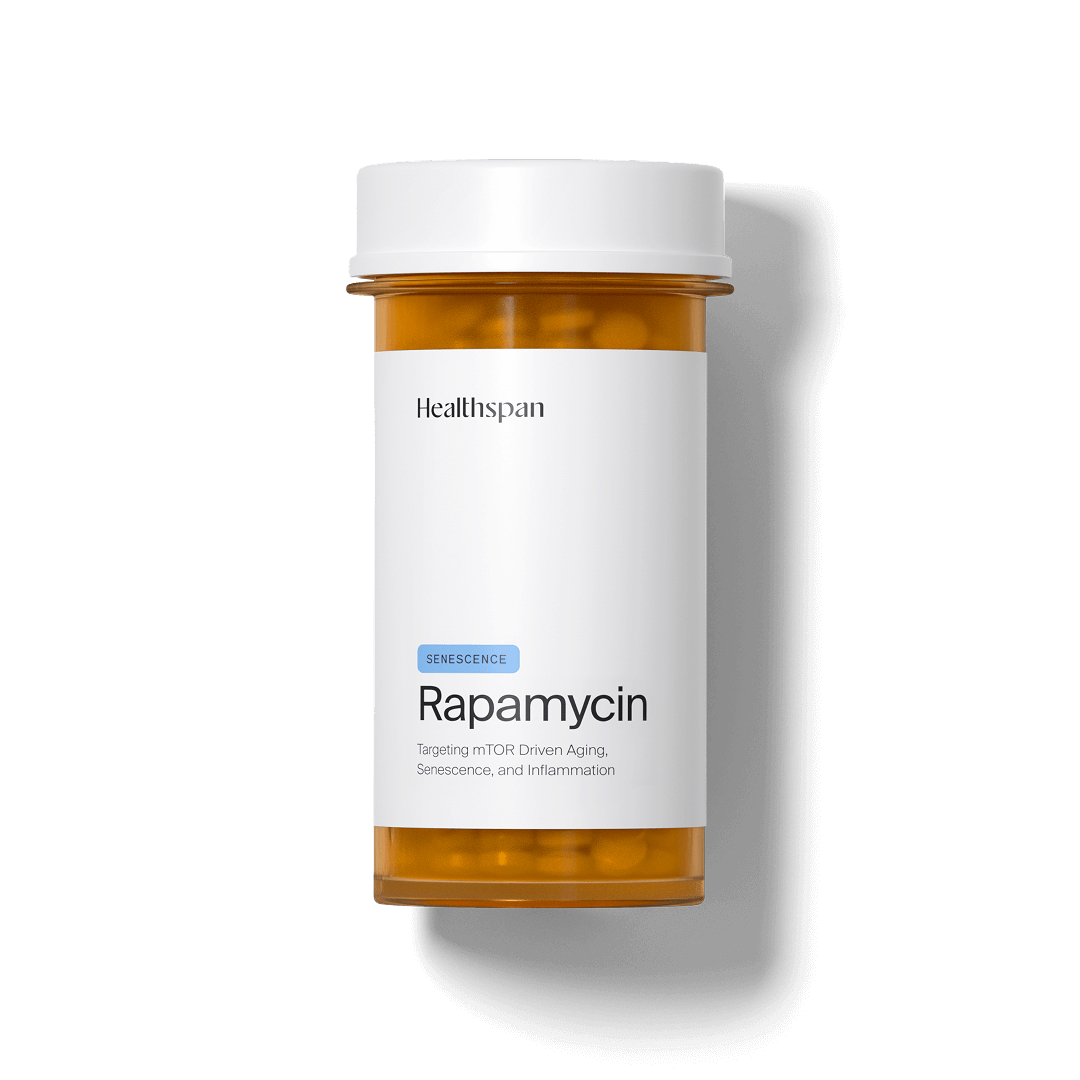
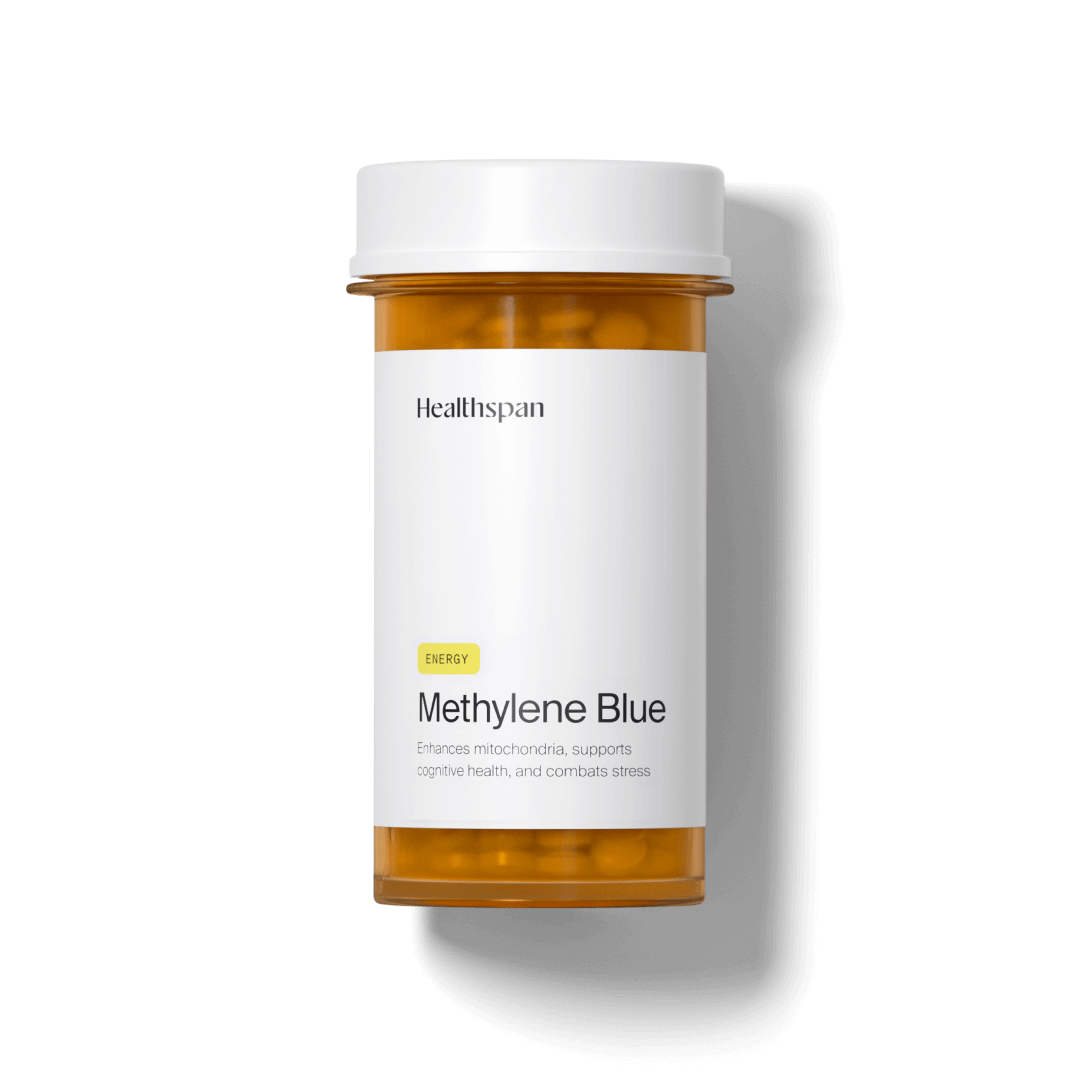
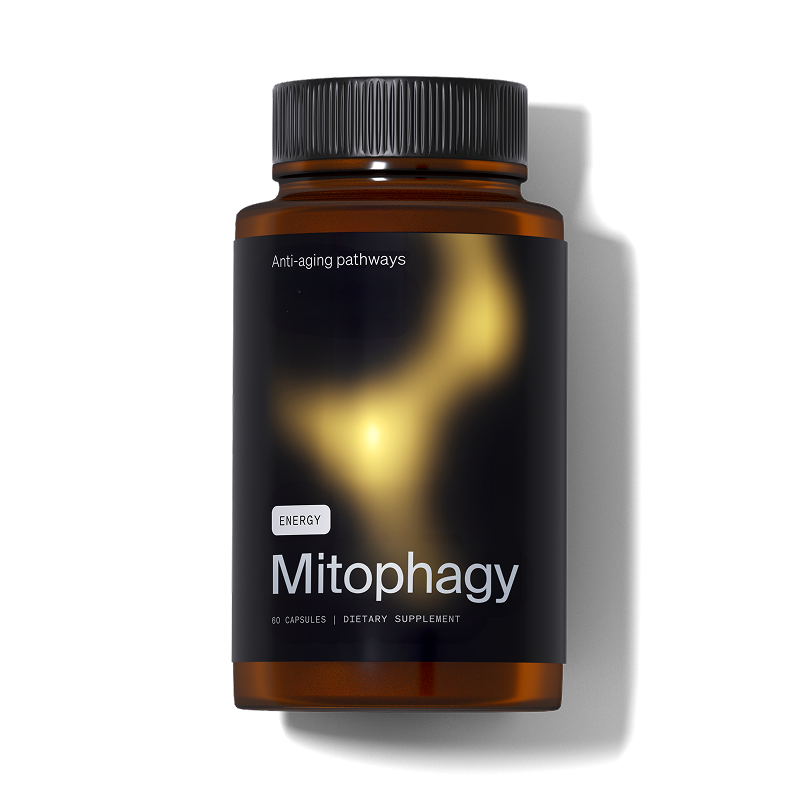
Current protocols include oxytocin (a neuropeptide, offered as a nasal spray or troche), rapamycin, methylene blue and urolithin A (our Mitophagy Formula), alongside a Longevity Optimization membership that adds lab testing and biological-age tracking. A clinician determines which, if any, is appropriate for you.
Much of the longevity use of these compounds is off-label or early-stage, and robust human longevity data does not yet exist for most of them. The research to date is largely mechanistic or in animal models. That is exactly why every protocol is clinician-gated and monitored, and why we describe what is studied rather than promising outcomes.
The prescription compounds (for example oxytocin, rapamycin and methylene blue) require a licensed clinician to review your intake and labs and decide whether they are appropriate. Urolithin A is offered as a supplement. Nothing is dispensed without clinical review.
That is what the assessment is for. It maps your biomarkers, history and goals to the protocol most likely to fit, and a licensed clinician makes the final recommendation — which may be a peptide, a longevity compound, a broader program, or none.
Yes. Protocols include physician oversight and lab monitoring, with retesting over time so dosing can be adjusted. Membership options add biological-age tracking and an ongoing care team.
Peptide therapy uses short chains of amino acids — and, more broadly, targeted longevity compounds — chosen for specific biological pathways such as mitochondrial function, mitophagy or the oxytocin stress response. At Healthspan these are prescribed and monitored by licensed clinicians; the goal is to match a mechanism to your biology, not to sell a single product.
Current protocols include oxytocin (a neuropeptide, offered as a nasal spray or troche), rapamycin, methylene blue and urolithin A (our Mitophagy Formula), alongside a Longevity Optimization membership that adds lab testing and biological-age tracking. A clinician determines which, if any, is appropriate for you.
Much of the longevity use of these compounds is off-label or early-stage, and robust human longevity data does not yet exist for most of them. The research to date is largely mechanistic or in animal models. That is exactly why every protocol is clinician-gated and monitored, and why we describe what is studied rather than promising outcomes.
The prescription compounds (for example oxytocin, rapamycin and methylene blue) require a licensed clinician to review your intake and labs and decide whether they are appropriate. Urolithin A is offered as a supplement. Nothing is dispensed without clinical review.
That is what the assessment is for. It maps your biomarkers, history and goals to the protocol most likely to fit, and a licensed clinician makes the final recommendation — which may be a peptide, a longevity compound, a broader program, or none.
Yes. Protocols include physician oversight and lab monitoring, with retesting over time so dosing can be adjusted. Membership options add biological-age tracking and an ongoing care team.
Your protocol
- for energy
- for stress
- for you
built around you
Let your biology decide
()
The best protocol is the one matched to your numbers. Take the 2-minute assessment and get a clinician-built plan.
HSA/FSA eligible · Cancel anytime
The peptides and longevity compounds described here are prescribed or recommended only after clinical review, and several are used off-label for longevity. Human longevity evidence for most of them is still emerging, and much of the cited research is mechanistic or in animal models. A licensed clinician determines whether any protocol is appropriate for you. This page is educational and not medical advice; individual results vary.