Perimenopause supplements, without the guesswork
Search “perimenopause supplements” and you’ll find dozens of pills promising relief. A few have real evidence behind them; many don’t. The changes driving hot flashes, broken sleep and mood swings are hormonal — so the most reliable starting point isn’t the supplement aisle, it’s measuring what’s actually shifting and building a plan around your own numbers.
- Clinician-prescribed
- Hormone labs
- Personalized dosing
- HSA/FSA eligible
The evidence
One aisle, many ingredients — and mixed evidence

Not sure where to start? Start with the program.
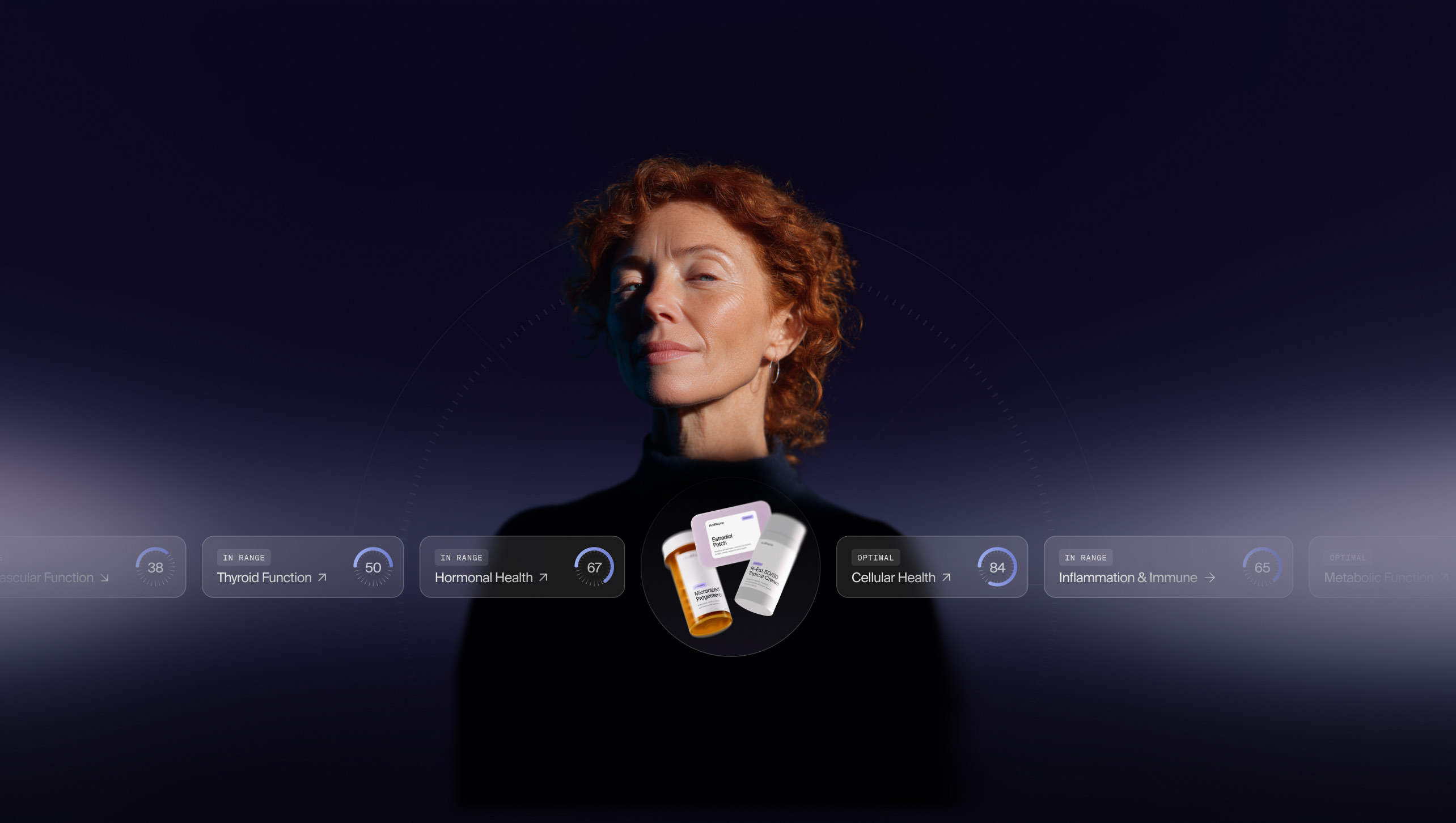
The Women's Health Program does the choosing for you: 70+ biomarker labs across nine biological systems, a licensed clinician who designs your protocol, dose optimization and 1:1 coaching — with hormone therapy prescribed only where your labs and the evidence support it. From $99/month.
Every plan comes with real clinical care — not a bottle of pills in the mail.
70
+
Biomarkers tracked
Your hormones and health markers are measured — not guessed — at baseline and over time.
9
Biological systems
Sex hormones, metabolism, thyroid and more are reviewed together, not in isolation.
100
%
Clinician-reviewed
Every protocol is designed and prescribed by a licensed clinician after reviewing your labs.
1
Plan, built for you
Dosing is personalized to your results and adjusted as your body changes through perimenopause.
How it works
From symptoms to a protocol that fits
What the research actually shows
Peer-reviewed evidence on the options discussed here — from hormone therapy for hot flashes and sleep to the mixed results for botanical menopause supplements.
Oral oestrogen and combined oestrogen/progestogen therapy versus placebo for hot flushes (Cochrane Database Syst Rev, 2004)
Safety and efficacy of testosterone for women: a systematic review and meta-analysis of randomised controlled trial data (Lancet Diabetes Endocrinol, 2019)
Efficacy of Micronized Progesterone for Sleep: A Systematic Review and Meta-analysis of Randomized Controlled Trial Data (J Clin Endocrinol Metab, 2021)
Black cohosh (Cimicifuga spp.) for menopausal symptoms (Cochrane Database Syst Rev, 2012)
Common questions
The most commonly marketed ones are black cohosh, soy isoflavones and other phytoestrogens, evening primrose oil, and general support nutrients like magnesium, vitamin D, calcium and omega-3s. Support nutrients matter for sleep and long-term bone health, but for the botanicals sold specifically for hot flashes and mood, high-quality reviews (including Cochrane) find the evidence limited or mixed. A clinician can help you separate what has evidence behind it from what is mostly marketing.
It depends on the ingredient and the symptom. In controlled trials many botanical menopause supplements perform no better than placebo, while a few show modest, inconsistent benefit. The symptoms most people are trying to treat — hot flashes, night sweats, sleep loss, mood shifts — are driven by falling and fluctuating hormones, which is why measuring those hormones is a more reliable starting point than trial-and-error with pills.
Dietary supplements are sold over the counter and are not reviewed by the FDA for effectiveness before sale. Hormone therapy is prescription medication that a licensed clinician recommends only after reviewing your labs and history; in clinical trials it has been shown to reduce menopausal hot flashes and night sweats. The trade-off is that hormone therapy requires clinical oversight and monitoring — which is exactly what the program provides.
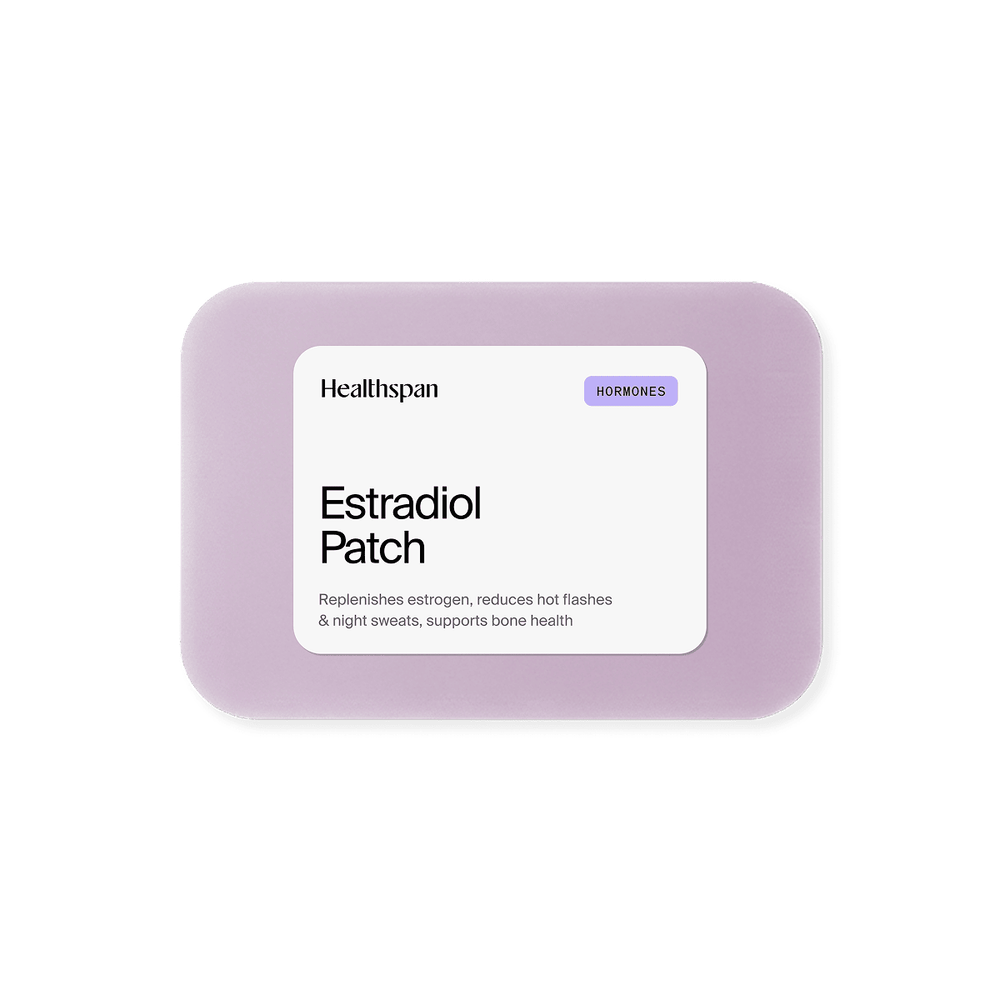
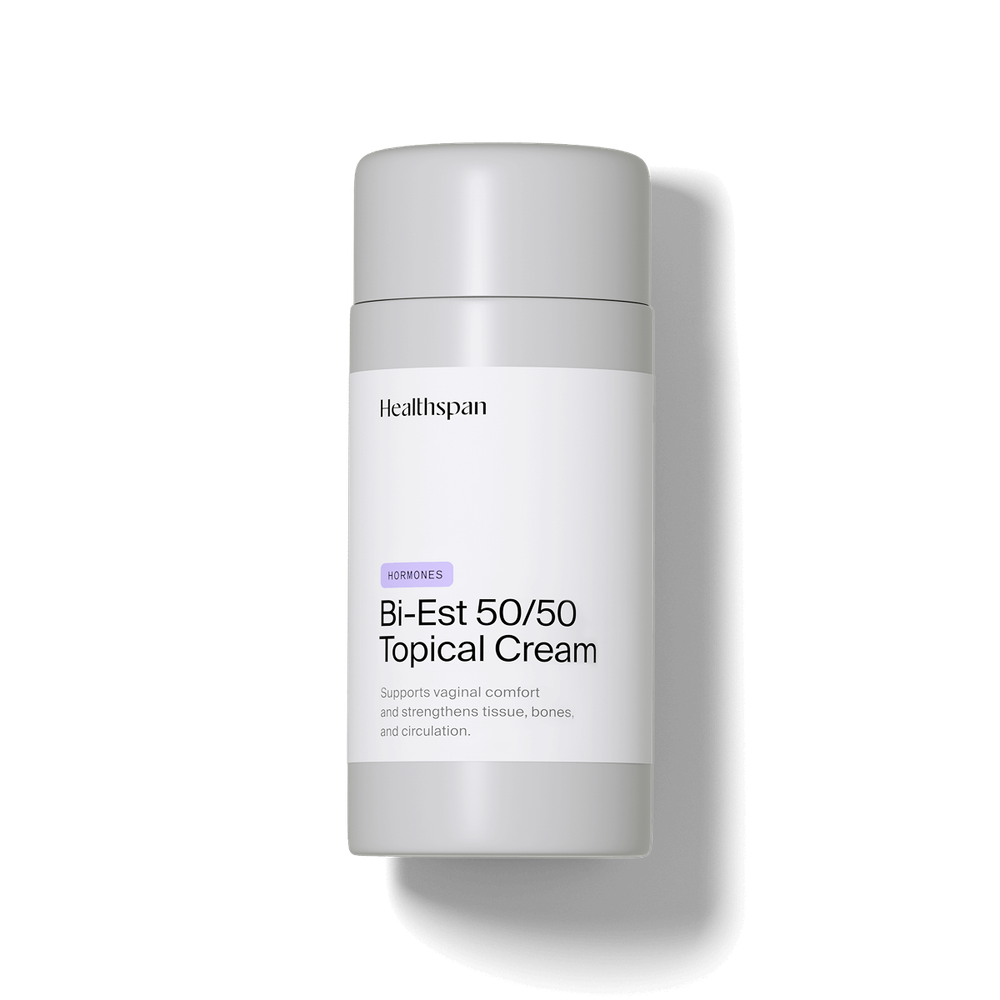
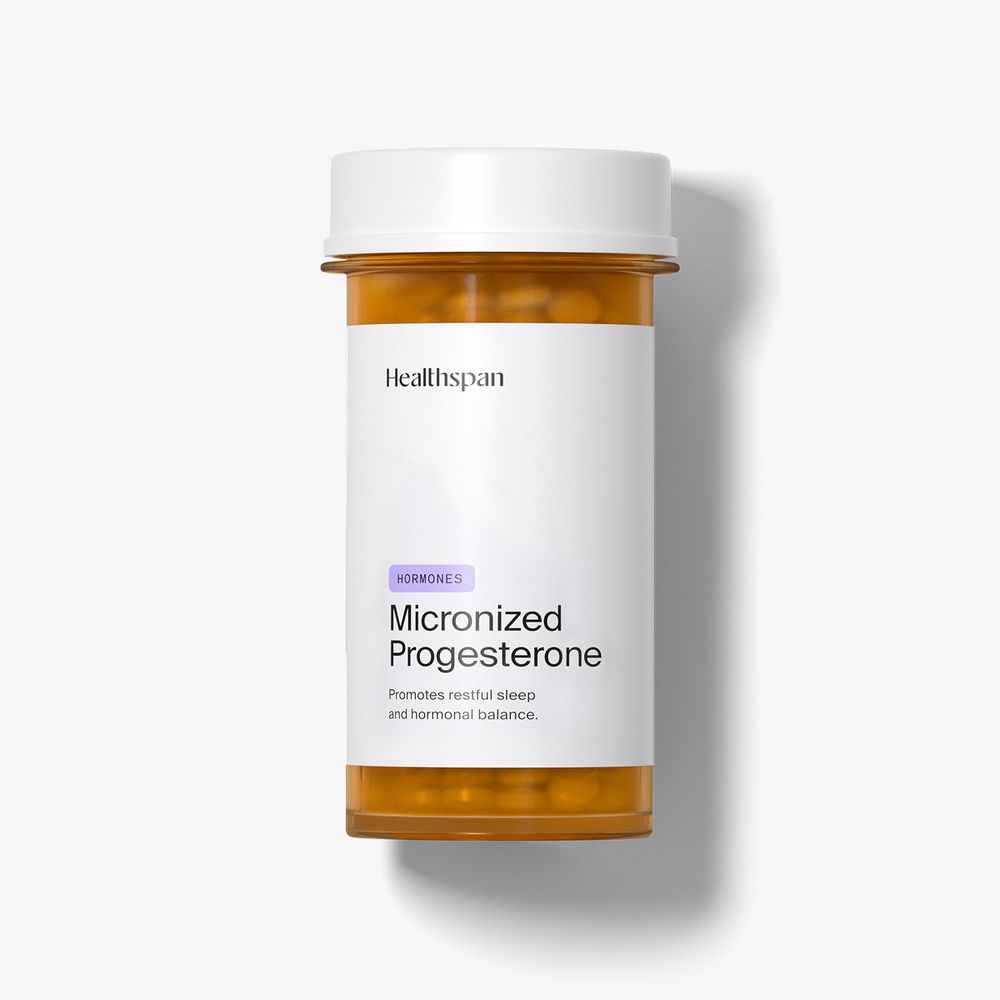
Current options, all prescribed only after clinician review, include the Estradiol Patch and Bi-Est 50/50 Cream for vasomotor symptoms, Micronized Progesterone for sleep and hormonal balance, and low-dose Testosterone Topical Cream for libido and energy. Some of these — testosterone for women and compounded bi-est — are used off-label. A clinician determines which, if any, is appropriate for you.
Yes. The program starts with a comprehensive hormone panel and symptom review so your clinician can see what is actually changing before recommending anything. That baseline is also what later retests are compared against, so progress shows up in your data — not just in how you feel on a given day.
For many people in perimenopause and early menopause, clinicians consider hormone therapy a reasonable, evidence-based option — but suitability is individual and depends on your age, symptoms and medical history. That is why every protocol is prescribed and monitored by a licensed clinician who weighs the benefits and risks for you specifically, rather than a one-size-fits-all recommendation.
The most commonly marketed ones are black cohosh, soy isoflavones and other phytoestrogens, evening primrose oil, and general support nutrients like magnesium, vitamin D, calcium and omega-3s. Support nutrients matter for sleep and long-term bone health, but for the botanicals sold specifically for hot flashes and mood, high-quality reviews (including Cochrane) find the evidence limited or mixed. A clinician can help you separate what has evidence behind it from what is mostly marketing.
It depends on the ingredient and the symptom. In controlled trials many botanical menopause supplements perform no better than placebo, while a few show modest, inconsistent benefit. The symptoms most people are trying to treat — hot flashes, night sweats, sleep loss, mood shifts — are driven by falling and fluctuating hormones, which is why measuring those hormones is a more reliable starting point than trial-and-error with pills.
Dietary supplements are sold over the counter and are not reviewed by the FDA for effectiveness before sale. Hormone therapy is prescription medication that a licensed clinician recommends only after reviewing your labs and history; in clinical trials it has been shown to reduce menopausal hot flashes and night sweats. The trade-off is that hormone therapy requires clinical oversight and monitoring — which is exactly what the program provides.
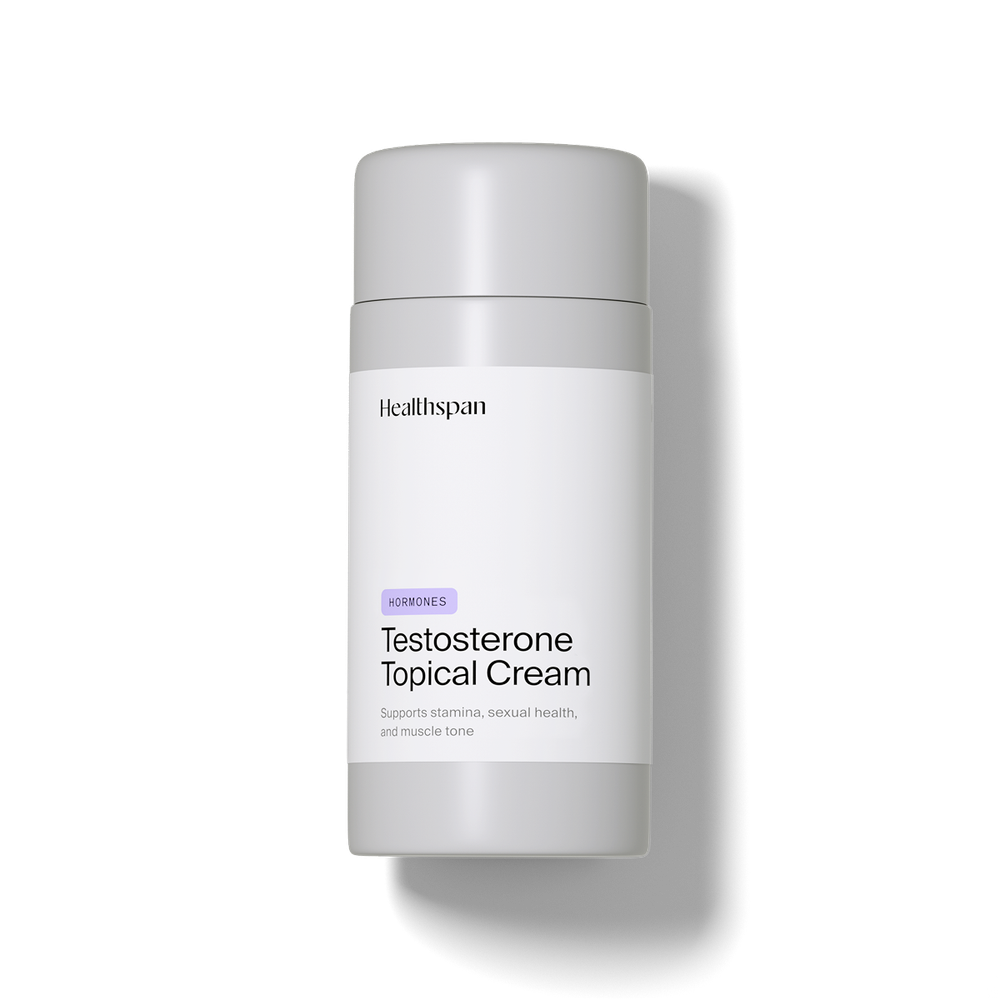
Current options, all prescribed only after clinician review, include the Estradiol Patch and Bi-Est 50/50 Cream for vasomotor symptoms, Micronized Progesterone for sleep and hormonal balance, and low-dose Testosterone Topical Cream for libido and energy. Some of these — testosterone for women and compounded bi-est — are used off-label. A clinician determines which, if any, is appropriate for you.
Yes. The program starts with a comprehensive hormone panel and symptom review so your clinician can see what is actually changing before recommending anything. That baseline is also what later retests are compared against, so progress shows up in your data — not just in how you feel on a given day.
For many people in perimenopause and early menopause, clinicians consider hormone therapy a reasonable, evidence-based option — but suitability is individual and depends on your age, symptoms and medical history. That is why every protocol is prescribed and monitored by a licensed clinician who weighs the benefits and risks for you specifically, rather than a one-size-fits-all recommendation.
Your protocol
- for sleep
- for mood
- for you
built around you
Let your labs decide
()
The best plan is the one matched to your numbers. Take the 2-minute assessment and get a clinician-built recommendation.
HSA/FSA eligible · Cancel anytime
Hormone therapy is prescription medication, prescribed only after a licensed clinician reviews your labs, symptoms and history; some therapies described here — including testosterone for women and compounded bi-est — are used off-label. Dietary supplements are not reviewed by the FDA for effectiveness, and the evidence for many marketed perimenopause supplements is limited or mixed. This page is educational and not medical advice; individual results vary.