The Expanding Biology of Creatine: From Muscle Performance to Brain Health and Healthy Aging
Prefer to listen? Hit play for a conversational, audio‑style summary of this article’s key points.
Creatine supports cellular energy. Creatine helps regenerate ATP, the molecule that powers muscle contraction, brain activity, and many other cellular processes.
Its benefits extend beyond athletic performance. Research now links creatine supplementation to improvements in muscle strength, cognitive function, bone health, and metabolic resilience.
Creatine works across multiple tissues. The phosphocreatine energy system helps stabilize energy supply in muscle, brain, heart, and nervous tissue during periods of high demand.
Electrolytes support the environment where creatine functions. Minerals such as magnesium, sodium, and potassium regulate fluid balance, nerve signaling, and ATP stability, key processes that support cellular energy metabolism
Daily supplementation of 5–10 grams. Lower doses (~5 g/day) often support muscle performance, while higher daily intake (~10 g/day) may provide additional benefits for cognitive energy metabolism.
Pairing creatine with electrolytes may support hydration and recovery. Together they help maintain the cellular conditions required for efficient ATP regeneration, especially during exercise, heat exposure, or increased metabolic demand.
Creatine Supplementation for Healthy Lifespan
Every movement, thought, and heartbeat requires energy at the cellular level. One of the molecules helping the body manage that energy is creatine. Although creatine is widely recognized for its role in supporting short bursts of muscular power during exercise, its physiological importance extends far beyond athletic performance.
Inside the body, creatine participates in the phosphocreatine energy system, which helps regenerate adenosine triphosphate (ATP), the primary energy currency of cells. This buffering system becomes especially important in tissues with high metabolic demand, particularly skeletal muscle and the brain. As a result, creatine has attracted growing attention not only in sports science but also in research focused on muscle preservation, metabolic function, neurological health, and aging biology.
Over the past two decades, the scientific literature examining creatine has expanded dramatically. Reviews of the evidence now describe creatine as one of the most extensively studied nutritional compounds in human physiology, with a strong safety record and emerging evidence supporting benefits across physical performance, metabolic health, and longevity [1, 2]. Rather than being viewed solely as a performance supplement, creatine is increasingly understood as a compound that supports fundamental aspects of cellular energy metabolism.
At the same time, the biological systems that rely on creatine do not function in isolation. Muscle contraction, nerve signaling, and cellular energy turnover depend on a broader physiological environment that includes the proper balance of key minerals. Elements such as sodium, potassium, and magnesium help regulate electrical gradients across cell membranes and support the signaling processes that allow muscle and nerve cells to function efficiently. For this reason, researchers and clinicians have begun to explore whether creatine supplementation may be further supported when paired with complementary nutrients, particularly minerals that help maintain the cellular conditions required for optimal energy metabolism.
In this review, we examine the evidence surrounding creatine supplementation and cellular energy metabolism, and explore how supportive nutrients such as key minerals may help sustain the physiological systems that creatine is designed to support.
Why Creatine Has Become So Widely Studied
Creatine and the Biology of Cellular Energy
Skeletal muscle is one of the most energetically demanding tissues in the body. Every contraction, whether lifting a weight, climbing stairs, or maintaining posture, requires ATP, the molecule that powers cellular work. ATP serves as the immediate energy currency of the cell. When muscle fibers contract, ATP is rapidly broken down to release energy, yet cells maintain only a very small reserve of ATP at any given moment, enough to sustain maximal effort for only a few seconds if it were not continually regenerated.
To meet this demand, muscle cells rely on a secondary energy-buffering system centered on creatine. Within tissues, creatine can be stored as phosphocreatine, which functions as a rapid reserve for regenerating ATP. When energy demand rises suddenly, such as during a sprint or heavy lift, phosphocreatine helps replenish ATP while slower metabolic pathways ramp up energy production. In effect, the phosphocreatine system stabilizes cellular energy levels during periods when demand temporarily exceeds supply.
Creatine supplementation increases the size of this intracellular reserve. Controlled studies show that creatine intake can raise intramuscular phosphocreatine concentrations by roughly 20 to 40 percent, depending on baseline levels and dosing protocol [1-3]. This expansion increases the amount of immediately available energy that muscle cells can access during intense effort.
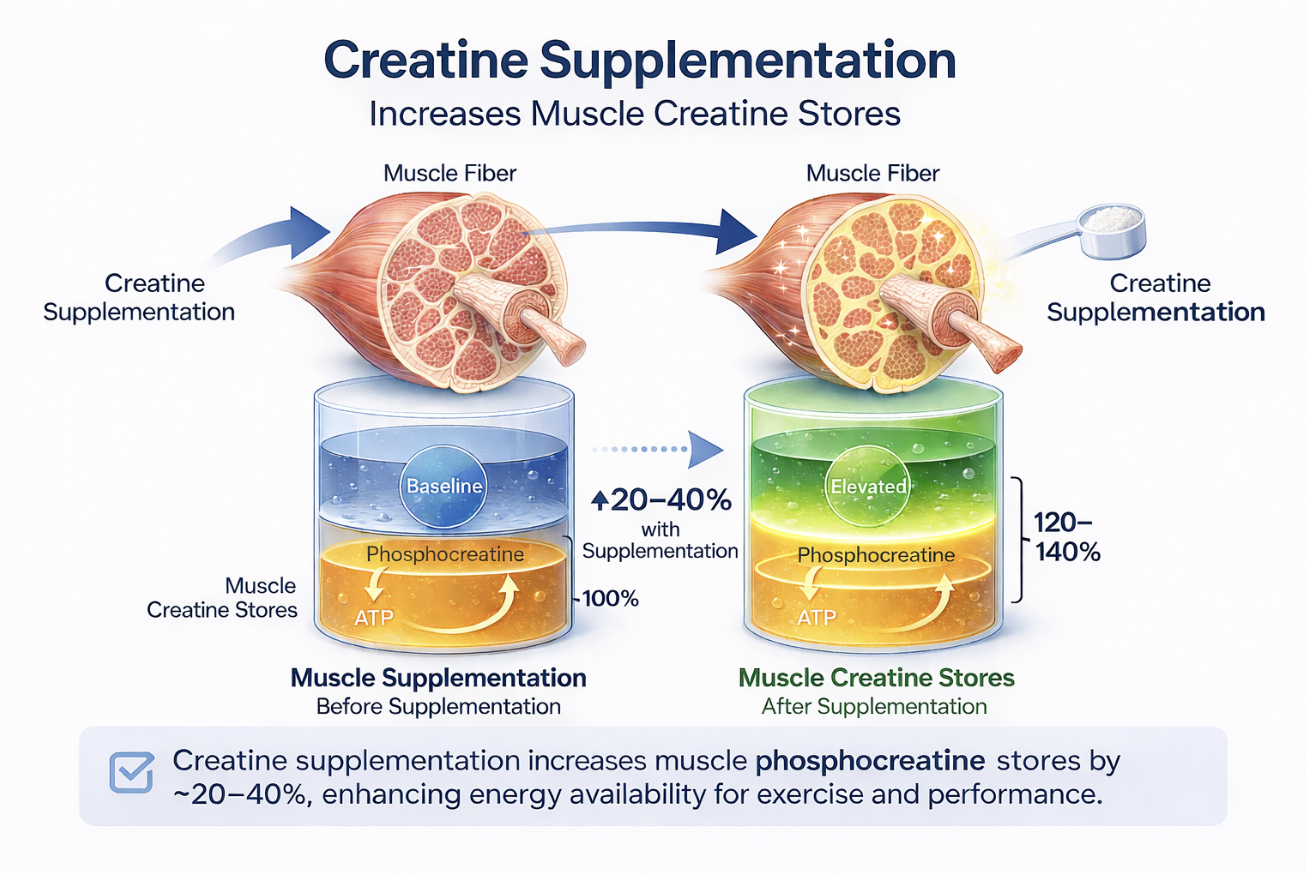
Figure 1. Creatine Supplementation and Muscle Creatine Concentration
These physiological changes translate into measurable performance outcomes. A meta-analysis of resistance training trials found that creatine supplementation significantly increased lean muscle mass and strength compared with training alone, with participants gaining approximately 1.3 kilograms of additional lean body mass on average, along with improvements in exercises associated with upper and lower body strength [3].
From Performance Supplement to Foundational Nutrient
Although skeletal muscle provides the most visible example of creatine’s energy-buffering role, it is not the only tissue dependent on rapid ATP regeneration. Many organ systems rely on the phosphocreatine energy system to stabilize energy supply during periods of high demand. As a result, researchers increasingly view creatine not simply as a performance supplement, but as a compound with broader physiological relevance for multiple tissues involved in health and aging [1,2].
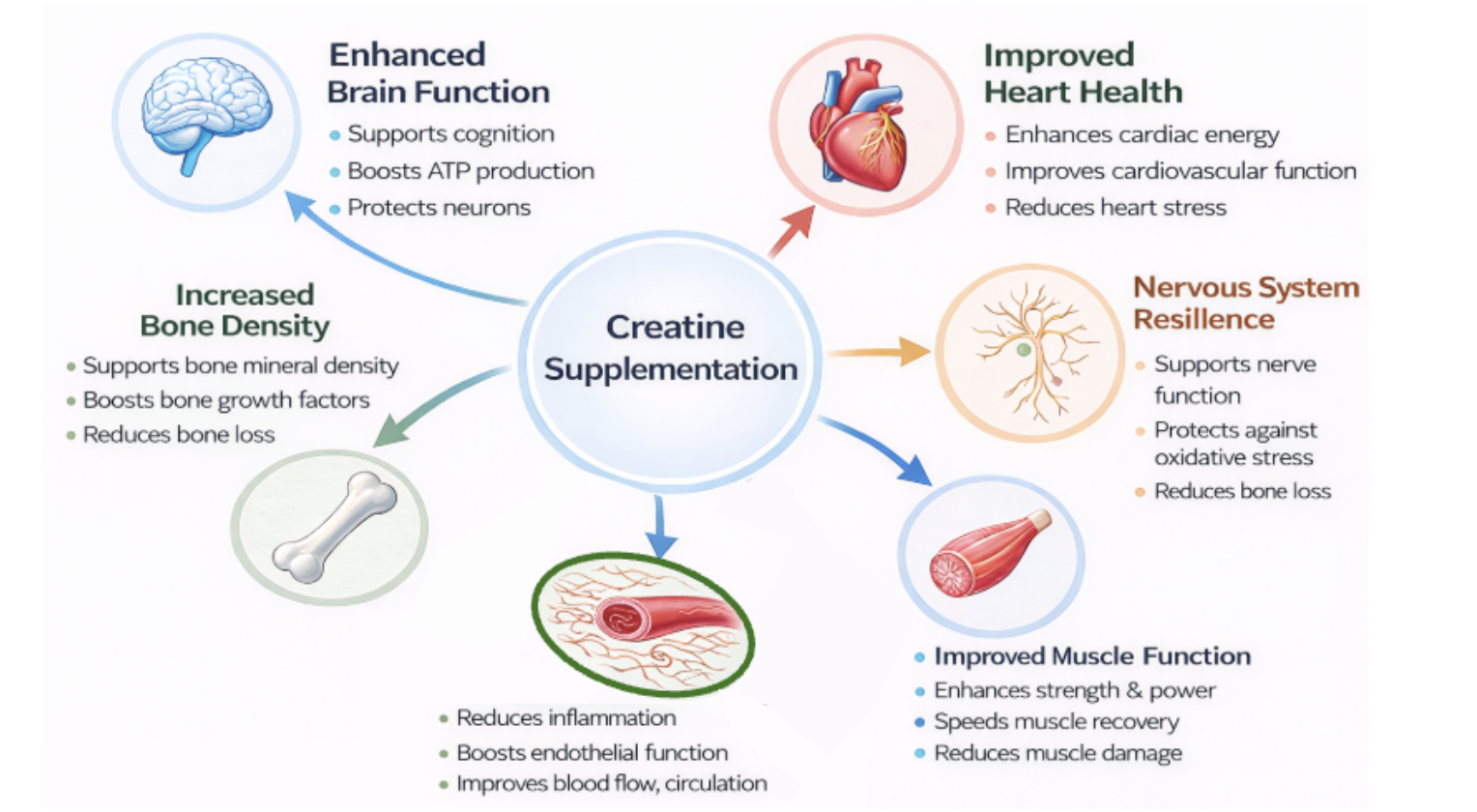
Figure 2. Health & Longevity Benefits of Creatine
Muscle
Skeletal muscle contains the highest concentration of creatine in the body because muscular contraction requires rapid and repeated ATP turnover. The phosphocreatine system functions as an immediate energy reserve that helps regenerate ATP during periods of high demand, such as resistance exercise or sprinting [1-3]. Supplementation increases intramuscular phosphocreatine stores, allowing muscle cells to sustain higher levels of mechanical work before fatigue occurs [3]. Over time, this improved energetic capacity contributes to increases in strength, lean body mass, and exercise performance when combined with resistance training.
Heart
Cardiac muscle relies on continuous ATP turnover to sustain rhythmic contraction throughout life. The phosphocreatine system acts as an energy buffer within cardiomyocytes, helping maintain stable ATP levels during fluctuations in workload [5]. Because the heart must generate energy continuously without interruption, adequate creatine availability supports the cellular systems that stabilize energy transfer within cardiac tissue and maintain contractile function over decades.
Brain
The brain is another metabolically demanding organ that depends on rapid energy availability. Neurons require ATP to maintain ion gradients across cell membranes, which allow electrical signals to propagate between cells [4]. The phosphocreatine system helps buffer energy fluctuations in neural tissue, particularly during periods of increased cognitive demand. For this reason, researchers have increasingly investigated creatine supplementation in the context of cognitive resilience, neurological health, and aging-related changes in brain energy metabolism [1,2,4].
Nervous System
Beyond the brain itself, the broader nervous system relies on efficient ATP regeneration to maintain signaling across neural networks. Energy is required to sustain neurotransmitter release, maintain membrane potentials, and propagate action potentials along nerve fibers. By supporting rapid ATP regeneration through the phosphocreatine system, creatine may contribute to the stability of these signaling processes, particularly during periods of sustained neural activity.
Bone
Emerging research suggests that creatine may also influence bone health, particularly when combined with resistance training. In aging males aged 55 to 77 years, creatine supplementation (0.1 g/kg/day) during a 10-week supervised resistance training program resulted in a 27 percent reduction in a marker of bone resorption compared with a 13 percent increase in the placebo group [6]. Longer-term human trials provide similarly encouraging findings. In a 12-month randomized controlled study of postmenopausal women, creatine supplementation attenuated femoral neck bone mineral density loss and increased femoral shaft subperiosteal width, a structural characteristic associated with improved bone bending strength [7]. These findings suggest creatine may help preserve bone integrity in aging populations, particularly when combined with mechanical loading through exercise.
Vascular Health
Creatine may also influence vascular function through mechanisms related to cellular energy metabolism and oxidative balance. Research suggests that creatine supplementation may support endothelial function and vascular health by improving cellular energy availability and reducing oxidative stress within vascular tissues. These effects may contribute to improved blood vessel function and cardiovascular resilience, particularly in individuals exposed to metabolic or physiological stressors [8].
Over decades, the overwhelming volume of research findings illustrate that creatine’s influence extends far beyond skeletal muscle alone [1,2]. By supporting rapid ATP regeneration across multiple tissues, creatine contributes to the energetic stability required for muscular function, cardiovascular performance, neural signaling, and structural tissue maintenance. As this broader understanding of creatine biology has developed, supplementation has increasingly shifted from athletic performance protocols toward consistent daily use as part of a strategy to support long-term goals related to healthy aging.
Daily Creatine and the Importance of Minerals
As evidence for creatine’s broader physiological roles has accumulated, supplementation has increasingly shifted from short-term athletic protocols to consistent daily use. Many modern recommendations suggest sustained intake in the range of 5 to 10 grams per day to support cellular energy metabolism across multiple tissues [2]. Rather than being reserved solely for periods of intense training, creatine is now commonly incorporated into daily routines aimed at preserving muscle function, supporting cognitive performance, and maintaining metabolic resilience throughout aging.
As creatine intake becomes more routine, attention has also turned to the broader physiological systems that regulate cellular energy metabolism. The phosphocreatine system helps regenerate ATP, but the processes that allow muscle contraction, nerve signaling, and efficient energy transfer occur within a cellular environment shaped by key minerals. Electrolytes such as magnesium, sodium, and potassium regulate electrical gradients, enzymatic reactions, and fluid distribution that allow cells to generate and use energy efficiently [5].
For this reason, creatine’s role in supporting cellular energetics does not occur in isolation. As supplementation expands the body’s capacity to regenerate ATP, the mineral environment surrounding that system becomes increasingly important for maintaining optimal cellular function.
Magnesium: Energy, Fluid Balance, and Sleep
Magnesium plays a central role in how cells generate and use energy. In biological systems, ATP rarely exists as a free molecule. Instead, it is typically bound to magnesium, forming the Mg-ATP complex that enzymes rely on for energy-dependent processes such as muscle contraction, nerve transmission, and metabolic regulation. In this sense, magnesium acts as a stabilizing partner for ATP, allowing cellular machinery to access and utilize stored chemical energy efficiently [11].
Beyond ATP stabilization, magnesium participates in more than 300 enzymatic reactions throughout the body, many of which regulate muscle function, neuromuscular coordination, and glucose metabolism. Adequate magnesium status therefore supports the metabolic pathways that translate cellular energy into movement and neurological activity. Magnesium also plays a direct role in muscle contraction and relaxation by regulating calcium transport across muscle cell membranes, helping muscles generate force during activity and return to a relaxed state afterward [10].
Magnesium may also influence how the body regulates fluid balance and hydration status during supplementation. In a controlled study examining magnesium-creatine supplementation, participants experienced changes in body water distribution compared with creatine alone, suggesting that magnesium may influence fluid handling and cellular hydration dynamics during creatine loading [10]. These findings highlight how mineral status can influence the physiological environment in which creatine supports cellular energy metabolism.
Finally, emerging research suggests that magnesium and creatine may indirectly support recovery processes linked to sleep and exercise adaptation. Magnesium is known to influence neuromuscular relaxation and sleep regulation, while creatine supplementation has recently been shown to improve total sleep duration following resistance training days in active women [12]. These findings suggest that combining creatine with supportive minerals such as magnesium may contribute not only to cellular energy metabolism, but also to the recovery processes that sustain training capacity and overall healthspan.
Minerals help support the processes that allow energy production, muscle contraction, nerve signaling, and cellular hydration to remain tightly regulated. Earlier work has also explored creatine in combination with minerals that directly influence cellular energetics [9,10,13]. Understanding the role of these electrolytes helps clarify why creatine supplementation may be further supported when paired with complementary minerals as part of a broader strategy to support energy metabolism and long-term healthspan.
Sodium: Supporting Fluid Distribution and Nutrient Transport
Sodium is the primary electrolyte found in extracellular fluid, the fluid that surrounds cells throughout the body. One of its most important physiological roles is maintaining plasma volume and regulating how water moves between the bloodstream and tissues. This function becomes particularly important during periods of increased physiological demand, such as exercise, heat exposure, or changes in cellular hydration [12].
In addition to fluid regulation, sodium also contributes to nutrient transport and cellular signaling. Sodium gradients across cell membranes help drive the transport of nutrients and metabolites into cells and support the electrical activity required for nerve impulses and muscle contraction. These gradients help maintain the extracellular environment in which cellular energy metabolism and muscular performance occur.
Potassium: Regulating Cellular Electrical Activity
Potassium serves as the primary electrolyte inside cells and plays a critical role in maintaining the electrical gradients that allow cells to function normally. This gradient between intracellular potassium and extracellular sodium is fundamental to nerve impulse transmission and muscle contraction.
By helping regulate membrane potential and cellular signaling, potassium supports the processes that allow muscles and nerves to respond to energetic demands. Because potassium is concentrated within cells, it also works alongside sodium to maintain fluid balance between intracellular and extracellular compartments. This coordinated balance contributes to stable neuromuscular activity and supports the physiological environment required for efficient cellular energy utilization [12].
Creatine and electrolytes participate in the same physiological network that supports cellular energy production, fluid balance, and neuromuscular function. Creatine strengthens the body’s capacity to regenerate ATP, magnesium stabilizes the ATP molecules that cells use for work, and sodium and potassium help maintain the electrical and fluid environment required for muscle and nerve activity [13]. Pairing creatine with complementary electrolytes, therefore, represents a physiologically aligned approach to supporting energy metabolism, muscular performance, and long-term healthspan.
Creatine and Electrolytes for Performance and Longevity
Creatine does not function in isolation. The phosphocreatine system that regenerates ATP operates alongside key minerals such as magnesium, sodium, and potassium that help regulate fluid balance, electrical signaling, and cellular energy metabolism. Because these systems work synergistically at the cellular level, researchers have increasingly explored whether pairing creatine with electrolytes or complementary nutrients may enhance measurable physiological outcomes.
Several controlled studies suggest this combination can influence performance in meaningful ways. In a randomized double-masked trial, individuals supplementing with a creatine-electrolyte formula containing minerals such as sodium, potassium, magnesium, and calcium for six weeks demonstrated significant improvements in strength and anaerobic power during resistance training compared with controls [12]. Earlier work examining magnesium-creatine supplementation similarly reported changes in body water distribution, suggesting that mineral-creatine combinations may influence cellular hydration dynamics alongside energy metabolism [10]. More recently, a double-blind placebo-controlled study evaluating creatine and caffeine within a glucose-electrolyte sports drink found improvements in cardiorespiratory and metabolic responses during exercise, supporting the idea that creatine may interact with the surrounding mineral and nutrient environment to influence physiological performance [9].
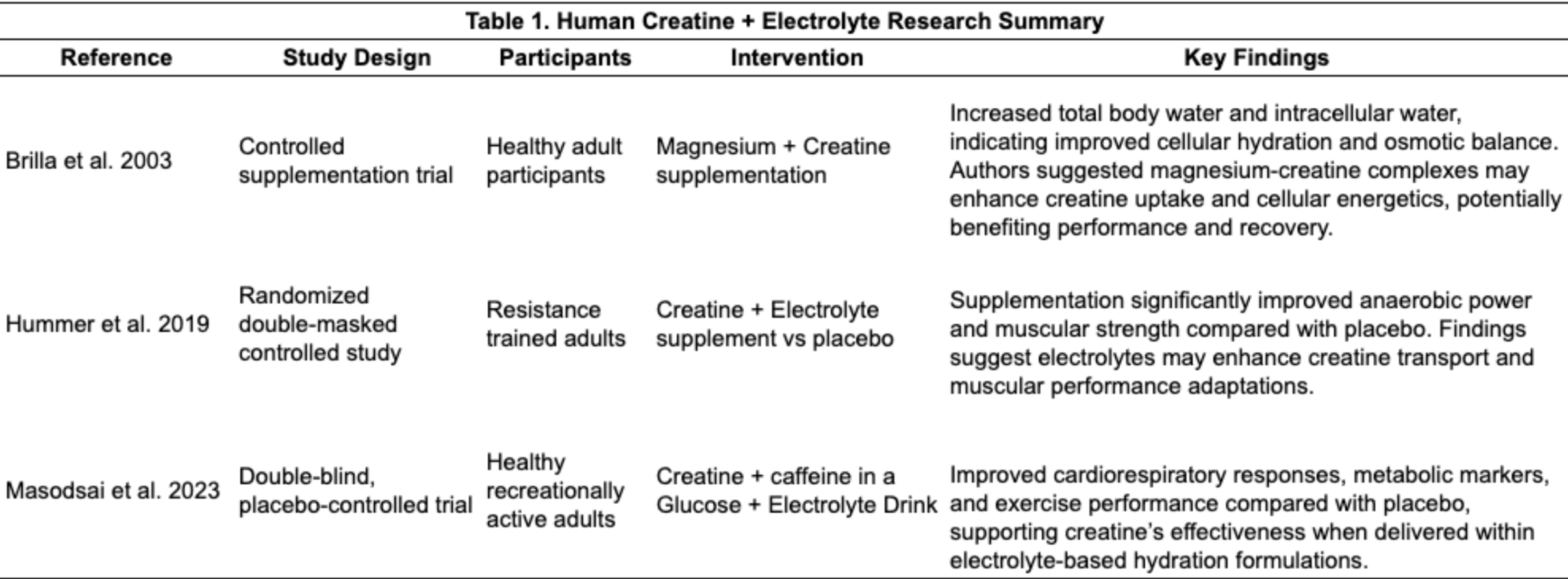
Although these studies were conducted primarily in exercise settings, their implications extend beyond athletic performance. Physical capacity, muscular strength, and metabolic resilience are increasingly recognized as central determinants of long-term health and healthy aging. Interventions that improve energy metabolism, muscular output, and recovery during training may therefore contribute not only to short-term performance but also to the maintenance of muscle mass, functional mobility, and metabolic health over time.
Viewed through this broader lens, pairing creatine with complementary electrolytes represents more than a performance strategy. By supporting both the phosphocreatine energy system and the mineral environment that regulates cellular function, creatine-electrolyte combinations may help sustain the physiological processes that underpin strength, endurance, and overall quality of life across the lifespan.
Practical Creatine Dosing: Energy, Cognition, and Hydration
Creatine supplementation is increasingly used outside traditional athletic settings, and dosing can be adjusted depending on individual goals. Research suggests that ~5 grams per day is commonly used to support muscular performance and training adaptations, while higher daily intakes closer to 10 grams may provide additional support for cognitive function and brain energy metabolism. For individuals seeking both benefits, dividing intake throughout the day can be a practical strategy. Consuming a half serving in the morning and another half serving later in the day may help maintain steady creatine availability while minimizing the potential for gastrointestinal discomfort that can occur when larger doses are taken at once.
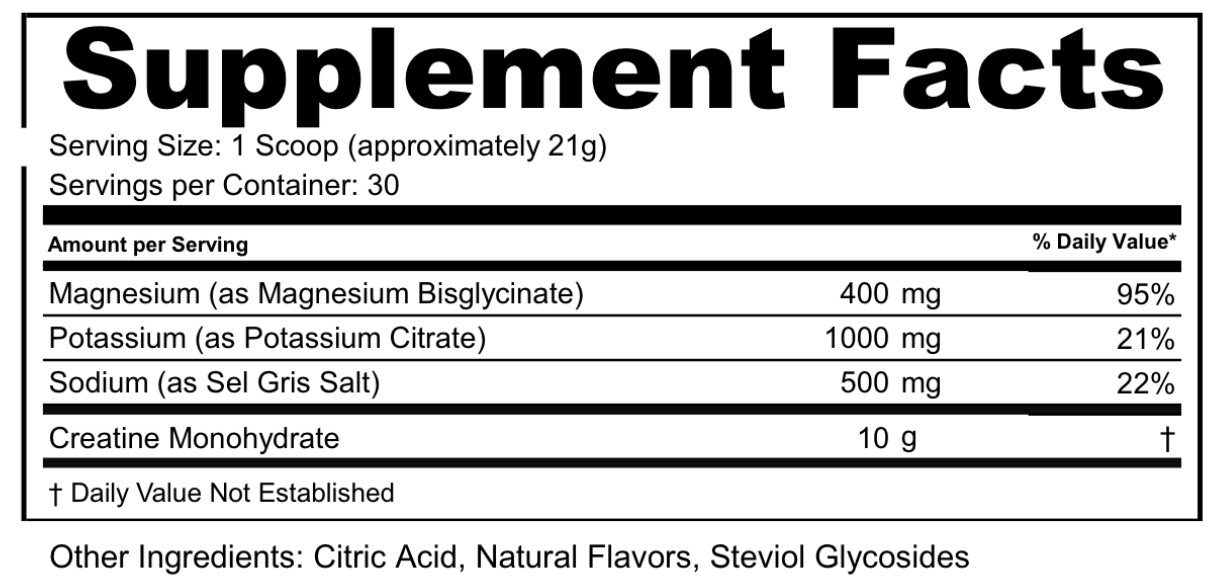
Figure 3. Creatine + Electrolytes Supplement Facts
When creatine is paired with electrolytes, this flexible dosing approach also supports hydration and mineral balance. Creatine increases intracellular water as phosphocreatine stores expand, while electrolytes such as sodium, potassium, and magnesium help regulate fluid distribution, nerve signaling, and muscle contraction. Together, these systems support the cellular environment in which ATP regeneration and energy metabolism occur.
Seasonal changes in temperature can further influence hydration needs. During warmer or more humid conditions, what might be considered “electrolyte season,” sweat losses increase, carrying water and sodium out of the body. Under these circumstances, pairing creatine with electrolytes and consuming at least 16 ounces of fluid with each serving can help support hydration, maintain electrolyte balance, and sustain the cellular energy systems that contribute to physical performance and long-term health.
The Healthspan Approach to Creatine
Early creatine supplementation protocols were developed primarily within sports nutrition research. In practice, supplementation strategies have evolved. Creatine supplementation is increasingly viewed less as a short-term performance intervention and more as a strategy for supporting long-term cellular energetics and healthspan extension. Daily intakes in the range of 5–10 grams (roughly 0.1 g/kg body weight per day) [1,2] are commonly explored in contexts related to muscle maintenance, metabolic resilience, and cognitive function, although research examining these approaches continues to develop [7].
Because creatine expands intracellular phosphocreatine stores and influences cellular hydration dynamics, the mineral environment surrounding this system becomes increasingly relevant. For this reason, pairing creatine with electrolytes such as sodium, potassium, and magnesium may help support the physiological conditions required for efficient ATP regeneration. Sodium contributes to extracellular fluid balance, potassium supports normal neuromuscular signaling, and magnesium stabilizes the ATP molecules that power cellular activity.
Creatine monohydrate remains the most extensively studied and widely used form of creatine. Although alternative formulations are often marketed with claims of improved absorption, controlled studies generally show similar physiological outcomes when equivalent doses are consumed [1,2,7]. What began primarily as a performance-oriented supplement has increasingly become part of broader discussions around muscle physiology, metabolic health, and long-term energy metabolism.
Conclusion
Creatine supplementation can be understood not simply as a performance aid, but as part of a broader physiological strategy that supports cellular energy production. By expanding phosphocreatine stores, creatine increases the capacity for rapid ATP regeneration, while electrolytes such as sodium, potassium, and magnesium help maintain the fluid balance, electrical signaling, and biochemical conditions required for these processes to operate efficiently.
As research continues to expand beyond athletic performance, creatine is increasingly being examined within the context of muscle maintenance, metabolic resilience, and healthy aging. How individuals incorporate creatine may therefore depend on factors such as activity level, environmental conditions, and personal health goals. Adjusting dosing, hydration, and electrolyte support over time allows creatine supplementation to align with the body’s changing energy demands across the lifespan.
- Kreider, R. B., Kalman, D. S., Antonio, J., et al. (2017). International Society of Sports Nutrition position stand: Safety and efficacy of creatine supplementation in exercise, sport, and medicine. Journal of the International Society of Sports Nutrition, 14, 18. https://pubmed.ncbi.nlm.nih.gov/28615996/
- Kreider, R. B., et al. (2025). Safety and manifold benefits of creatine supplementation in humans for health and longevity. Journal of the International Society of Sports Nutrition. https://pubmed.ncbi.nlm.nih.gov/40331098/
- Chilibeck PD, Kaviani M, Candow DG, Zello GA. Effect of creatine supplementation during resistance training on lean tissue mass and muscular strength in older adults: a meta-analysis. Open Access Journal of Sports Medicine. 2017;8:213–226. https://doi.org/10.2147/OAJSM.S123529
- Xu C, Bi S, Zhang W, Luo L. The effects of creatine supplementation on cognitive function in adults: a systematic review and meta-analysis. Frontiers in Nutrition. 2024;11:1424972. doi:10.3389/fnut.2024.1424972. https://doi.org/10.3389/fnut.2024.1424972
- Glancy, B., & Balaban, R. S. (2021). Energy metabolism design of the striated muscle cell. Physiological reviews, 101(4), 1561–1607. https://doi.org/10.1152/physrev.00040.2020
- Candow, D. G., Forbes, S. C., Chilibeck, P. D., Cornish, S. M., Antonio, J., & Kreider, R. B. (2019). Effectiveness of Creatine Supplementation on Aging Muscle and Bone: Focus on Falls Prevention and Inflammation. Journal of clinical medicine, 8(4), 488. https://doi.org/10.3390/jcm8040488
- Evans, C., Pereira, F., Candow, D., & Antonio, J. (2026). Creatine supplementation as an adjunct to improving healthy aging. Longevity, 6(1). https://doi.org/10.1080/30653495.2025.2565997
- Clarke, H., Kim, D.-H., Meza, C. A., Ormsbee, M. J., & Hickner, R. C. (2020). The Evolving Applications of Creatine Supplementation: Could Creatine Improve Vascular Health? Nutrients, 12(9), 2834. https://doi.org/10.3390/nu12092834
- Masodsai, K., Sahaschot, T., & Chaunchaiyakul, R. (2023). Cardiorespiratory, Metabolic, and Performance Changes from the Effects of Creatine and Caffeine Supplementations in Glucose—Electrolyte-Based Sports Drinks: A Double-Blind, Placebo-Controlled Study. Sports, 11(1), 4. https://doi.org/10.3390/sports11010004
- Brilla, L. R., Giroux, M. S., Taylor, A., & Knutzen, K. M. (2003). Magnesium-creatine supplementation effects on body water. Metabolism: clinical and experimental, 52(9), 1136–1140. https://doi.org/10.1016/s0026-0495(03)00188-4
- Aguiar Bonfim Cruz, A. J., Brooks, S. J., Kleinkopf, K., Brush, C. J., Irwin, G. L., Schwartz, M. G., Candow, D. G., & Brown, A. F. (2024). Creatine Improves Total Sleep Duration Following Resistance Training Days versus Non-Resistance Training Days among Naturally Menstruating Females. Nutrients, 16(16), 2772. https://doi.org/10.3390/nu16162772
- Hummer E, Suprak DN, Buddhadev HH, Brilla L, San Juan JG. Creatine electrolyte supplement improves anaerobic power and strength: a randomized double-masked control study. Journal of the International Society of Sports Nutrition. 2019;16:24. doi:10.1186/s12970-019-0291-x https://doi.org/10.1186/s12970-019-0291-x
- Joncquel-Chevalier Curt M, Voicu PM, Fontaine M, Dessein AF, Porchet N, Mention-Mulliez K, et al. Creatine biosynthesis and transport in health and disease. Biochimie. 2015;119:146–165. doi:10.1016/j.biochi.2015.10.022. https://doi.org/10.1016/j.biochi.2015.10.022
- Uysal N, Kizildag S, Yuce Z, et al. Timeline (bioavailability) of magnesium compounds in hours: which magnesium compound works best? Biological Trace Element Research. 2019;187:128–136. doi:10.1007/s12011-018-1351-9. https://doi.org/10.1007/s12011-018-1351-9
- Eghbali E, Arazi H, Suzuki K. Supplementing with which form of creatine (hydrochloride or monohydrate) alongside resistance training can have more impacts on anabolic/catabolic hormones, strength, and body composition? Physiological Research. 2024;73(5):739–753. doi:10.33549/physiolres.935323. https://pubmed.ncbi.nlm.nih.gov/39545789/
Related studies