
the science
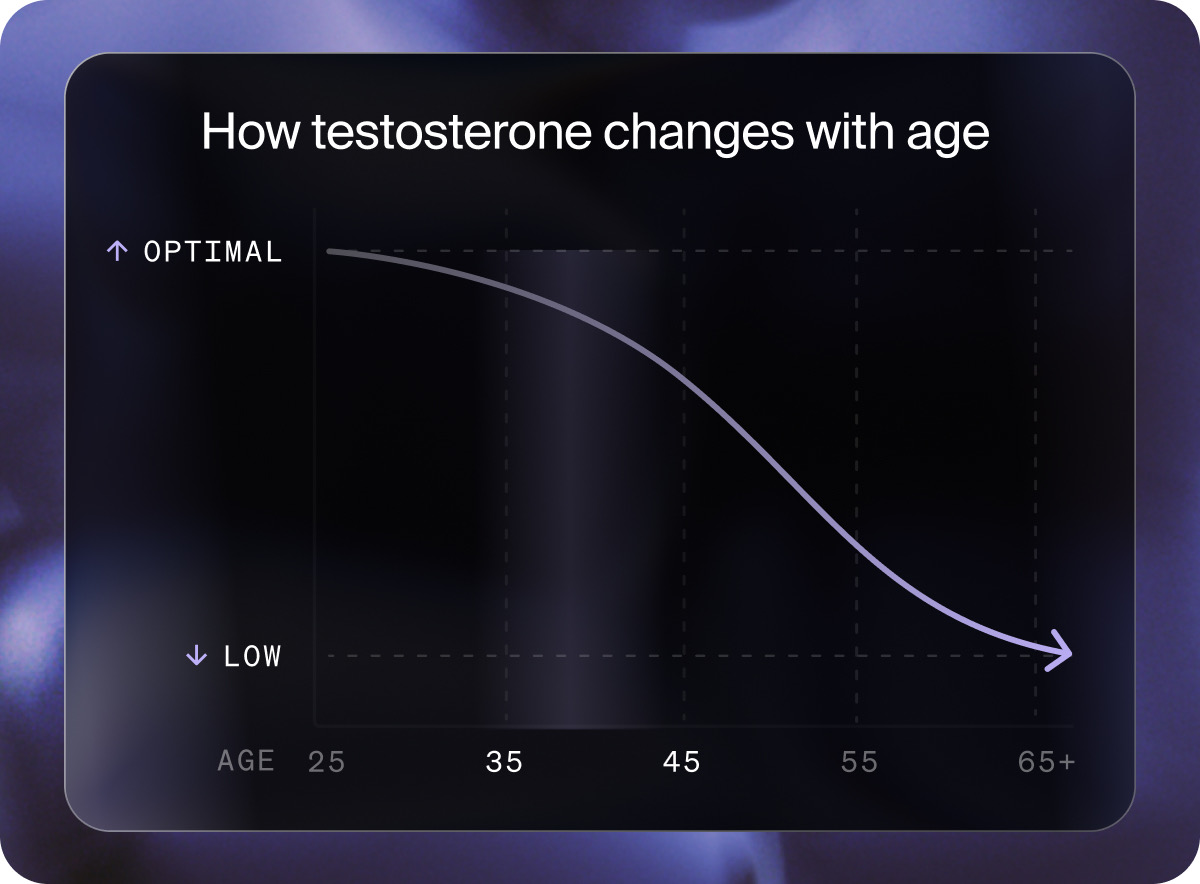
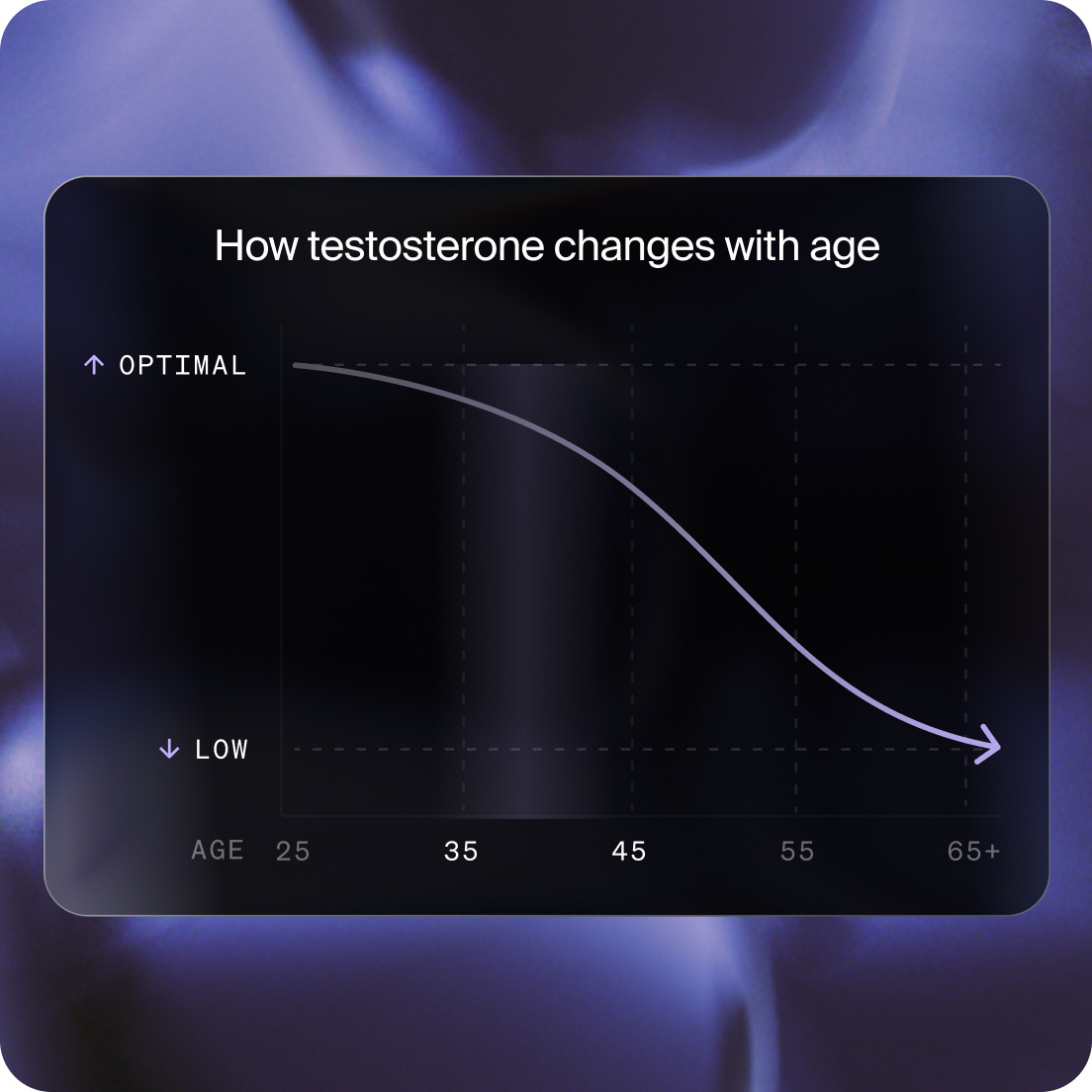
Testosterone declines 1% every year after 30
Complete care.
Most TRT clinics stop at the prescription. We're just getting started.
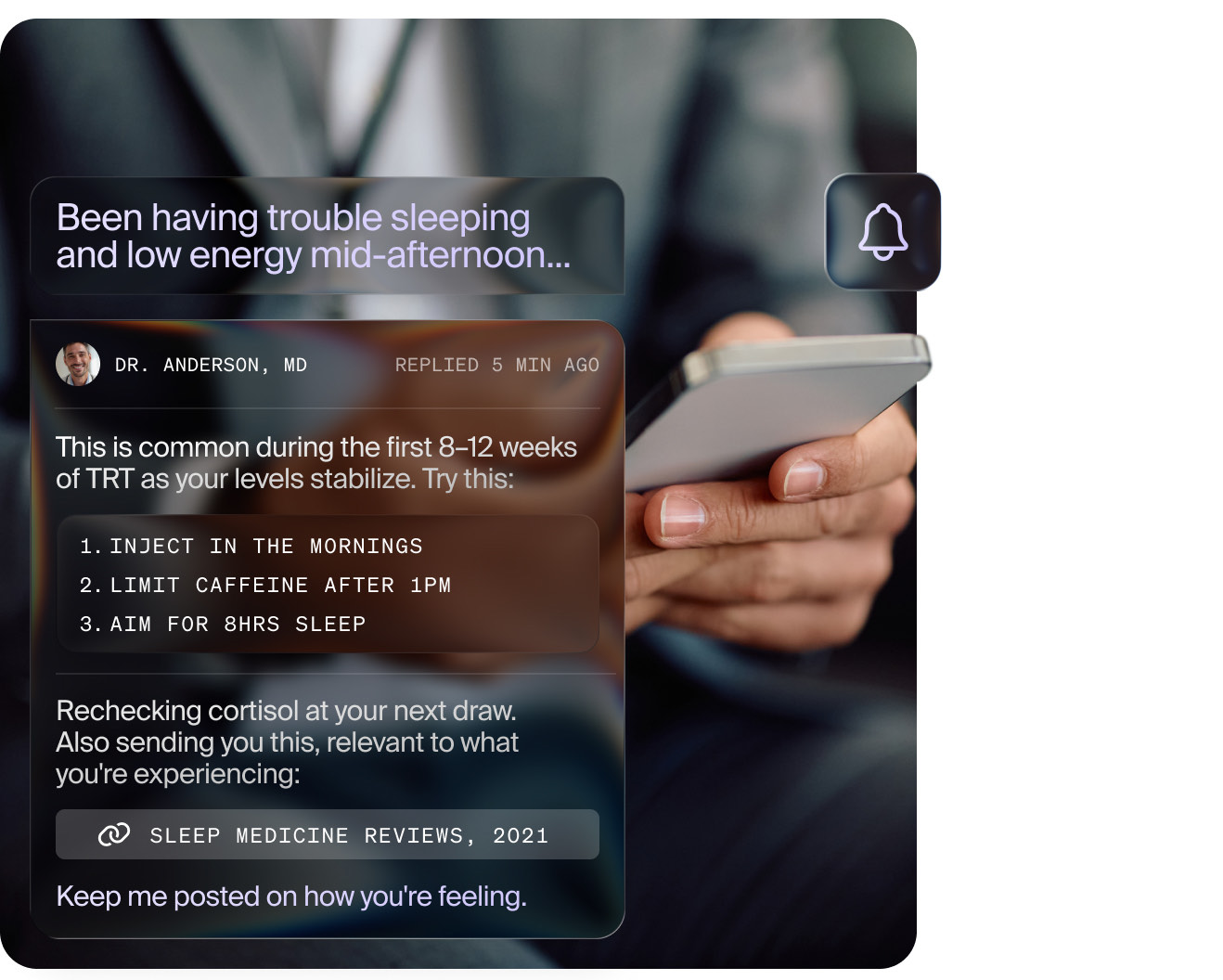
Clinician guided male hormone therapy
Your clinician reviews your medical history and labs to determine eligibility and guide the right treatment choice for testosterone replacement or restoration.
your complete care
Personalized TRT care starts with membership

1
st
digital longevity clinic
We pioneered modern longevity care, making it accessible to all.
4.9
★
patient satisfaction
Effective treatments and excellent service earns us loyal support.
20
+
avg. yrs of experience
The MDs and PhDs on our clinical and research teams are experts.
150
+
published works
Our team actively drives progress in aging research.
Hear from our patients
Frequently asked questions
Testosterone replacement therapy (TRT) is for men diagnosed with low testosterone based on blood testing and clinical symptoms. Candidates typically have below-normal testosterone levels along with symptoms such as low energy, reduced sex drive, erectile dysfunction, low mood, brain fog, or loss of muscle mass. A diagnosis requires appropriate lab testing and evaluation by a licensed provider.
TRT is not recommended for men who are actively trying to conceive or who wish to preserve fertility, as testosterone injections can suppress the body’s natural hormone signaling and reduce sperm production. In those situations, alternative treatment options may be more appropriate and can be discussed with a clinician.
Enclomiphene works by restoring your body’s own testosterone production rather than supplying synthetic hormones. It supports the natural brain–testes signaling loop that produces testosterone and sperm, allowing your hormone levels to rise without shutting down fertility, testicular volume, or endogenous hormone rhythms. Traditional testosterone therapy replaces your own testosterone, which can suppress sperm production, shrink testicular tissue, create dependency, and lead to hormonal fluctuations. Enclomiphene gives you the benefits of higher testosterone while keeping your natural physiology intact.
Many men experience improved energy, motivation, and overall vitality after starting TRT. Common benefits include increased libido and sexual function, improved mood and mental clarity, and gains in lean muscle mass and strength. Over time, testosterone therapy may also support healthier body composition, metabolic function, and bone density. Individual results vary and develop gradually.
Testosterone replacement therapy is generally well tolerated when appropriately prescribed and monitored. Some men experience mild side effects, such as acne, oily skin, mood changes, fluid retention, headache, or injection-site irritation. These effects are often dose-related and can usually be improved by adjusting the dose or injection schedule.
Less commonly, TRT may be associated with more serious risks, including elevated red blood cell counts (hematocrit), changes in cholesterol levels, blood clots, or prostate-related concerns, particularly in men with underlying risk factors. Because testosterone affects multiple systems in the body, regular lab monitoring and clinical follow-ups are essential to maintain safe testosterone levels and identify potential issues early.
At Healthspan, lab testing and ongoing oversight are a required part of care to help ensure treatment remains safe, effective, and appropriate over time.
TRT is prescribed as part of Healthspan membership, which provides the clinical and lifestyle support required for safe, effective testosterone replacement therapy. Medication is billed separately based on eligibility, while pricing remains consistent regardless of dose.
Membership covers baseline hormone testing, regular follow-up labs, and clinician-guided dose management, along with access to coaching and lifestyle support focused on nutrition, exercise, sleep, and recovery. This combined approach helps ensure testosterone therapy is managed as ongoing care — supporting both symptom improvement and long-term health.
Enclomiphene is usually taken once each morning, ideally with a meal, to align with the body’s natural testosterone rhythm. Most men begin treatment at 12.5 mg daily, with reassessment after three months based on labs and symptoms. Many patients feel shifts in energy, mood, and libido within the first one to two months. Improvements in muscle tone, body composition, cognitive clarity, and metabolic health typically continue to develop across three to six months as hormone levels stabilize.
Yes. Comprehensive lab testing is required before starting testosterone replacement therapy and continues throughout care. Before treatment begins, we assess testosterone alongside related hormones and key health markers to confirm eligibility and establish an accurate baseline.
During treatment, labs are repeated at regular intervals to guide dosing and monitor how testosterone therapy is affecting multiple systems in the body. In addition to testosterone levels, this includes markers related to blood counts, prostate health, metabolic function, and cardiovascular risk. This broader lab view allows clinicians to adjust treatment as needed and maintain safe, effective therapy over time.
At Healthspan, lab monitoring is a core part of membership and is designed to support long-term outcomes, not just short-term symptom relief.
Testosterone replacement therapy (TRT) is for men diagnosed with low testosterone based on blood testing and clinical symptoms. Candidates typically have below-normal testosterone levels along with symptoms such as low energy, reduced sex drive, erectile dysfunction, low mood, brain fog, or loss of muscle mass. A diagnosis requires appropriate lab testing and evaluation by a licensed provider.
TRT is not recommended for men who are actively trying to conceive or who wish to preserve fertility, as testosterone injections can suppress the body’s natural hormone signaling and reduce sperm production. In those situations, alternative treatment options may be more appropriate and can be discussed with a clinician.
Enclomiphene works by restoring your body’s own testosterone production rather than supplying synthetic hormones. It supports the natural brain–testes signaling loop that produces testosterone and sperm, allowing your hormone levels to rise without shutting down fertility, testicular volume, or endogenous hormone rhythms. Traditional testosterone therapy replaces your own testosterone, which can suppress sperm production, shrink testicular tissue, create dependency, and lead to hormonal fluctuations. Enclomiphene gives you the benefits of higher testosterone while keeping your natural physiology intact.
Many men experience improved energy, motivation, and overall vitality after starting TRT. Common benefits include increased libido and sexual function, improved mood and mental clarity, and gains in lean muscle mass and strength. Over time, testosterone therapy may also support healthier body composition, metabolic function, and bone density. Individual results vary and develop gradually.
Testosterone replacement therapy is generally well tolerated when appropriately prescribed and monitored. Some men experience mild side effects, such as acne, oily skin, mood changes, fluid retention, headache, or injection-site irritation. These effects are often dose-related and can usually be improved by adjusting the dose or injection schedule.
Less commonly, TRT may be associated with more serious risks, including elevated red blood cell counts (hematocrit), changes in cholesterol levels, blood clots, or prostate-related concerns, particularly in men with underlying risk factors. Because testosterone affects multiple systems in the body, regular lab monitoring and clinical follow-ups are essential to maintain safe testosterone levels and identify potential issues early.
At Healthspan, lab testing and ongoing oversight are a required part of care to help ensure treatment remains safe, effective, and appropriate over time.
TRT is prescribed as part of Healthspan membership, which provides the clinical and lifestyle support required for safe, effective testosterone replacement therapy. Medication is billed separately based on eligibility, while pricing remains consistent regardless of dose.
Membership covers baseline hormone testing, regular follow-up labs, and clinician-guided dose management, along with access to coaching and lifestyle support focused on nutrition, exercise, sleep, and recovery. This combined approach helps ensure testosterone therapy is managed as ongoing care — supporting both symptom improvement and long-term health.
Enclomiphene is usually taken once each morning, ideally with a meal, to align with the body’s natural testosterone rhythm. Most men begin treatment at 12.5 mg daily, with reassessment after three months based on labs and symptoms. Many patients feel shifts in energy, mood, and libido within the first one to two months. Improvements in muscle tone, body composition, cognitive clarity, and metabolic health typically continue to develop across three to six months as hormone levels stabilize.
Yes. Comprehensive lab testing is required before starting testosterone replacement therapy and continues throughout care. Before treatment begins, we assess testosterone alongside related hormones and key health markers to confirm eligibility and establish an accurate baseline.
During treatment, labs are repeated at regular intervals to guide dosing and monitor how testosterone therapy is affecting multiple systems in the body. In addition to testosterone levels, this includes markers related to blood counts, prostate health, metabolic function, and cardiovascular risk. This broader lab view allows clinicians to adjust treatment as needed and maintain safe, effective therapy over time.
At Healthspan, lab monitoring is a core part of membership and is designed to support long-term outcomes, not just short-term symptom relief.