glp-1
Metabolic Health
Lipids
Cardiovascular Health
Biomarkers
health
science
longevity
glp-1
Metabolic Health
Lipids
Cardiovascular Health
Biomarkers
health
science
longevity
14 min read

Retatrutide FDA Approval 2025–2026: Phase 3 Trials, Timeline & Access

written by

Healthspan Team

published07 / 20 / 2026
Take Home Points

Retatrutide is a triple agonist targeting GLP-1, GIP, and glucagon receptors, giving it a mechanistic profile no approved drug currently matches.

Phase 2 trials showed 22.8% mean body weight loss at the highest dose — the largest ever recorded for a pharmacological agent in a controlled trial.

Lilly's Phase 3 TRIUMPH program targets a mid-2025 NDA submission, placing FDA approval most realistically in mid-to-late 2026 under a standard review.

Compounded retatrutide exists but carries a distinct legal and safety profile: it is an investigational drug, not an approved drug in shortage.

Weight regain after discontinuation of GLP-1-class agents is nearly universal, making retatrutide a long-term management commitment, not a finite treatment course.

The two-year window before approval is clinically useful: initiating supervised GLP-1 or dual-agonist therapy now addresses metabolic risk that is accumulating today.

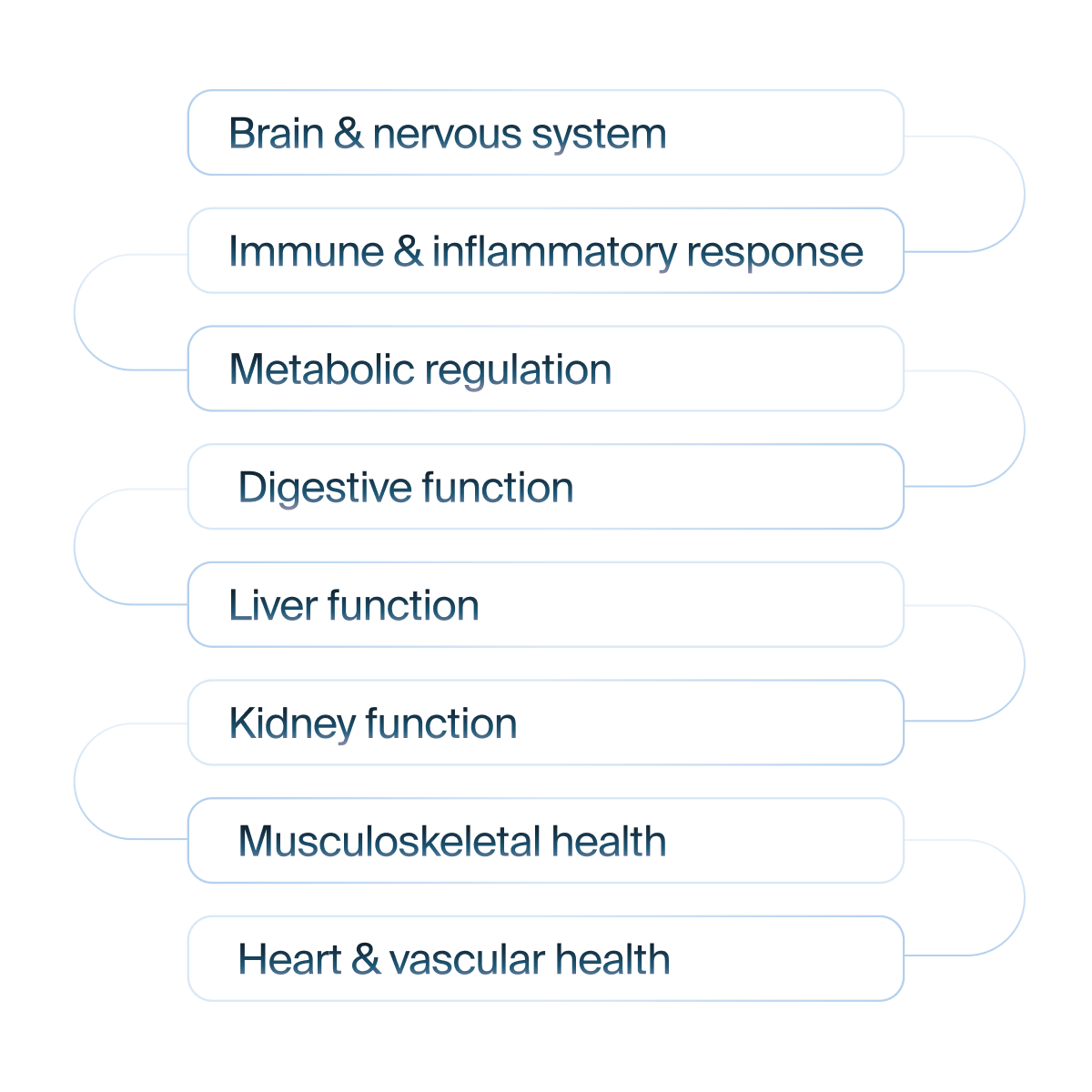
Retatrutide's longevity significance extends beyond weight loss: its effects on liver fat, glycemic control, and potentially cardiovascular and neurological outcomes position it as a multi-pathway intervention on metabolic aging.

Few molecules in recent metabolic medicine history have generated as much scientific anticipation as retatrutide. While semaglutide and tirzepatide have reshaped how clinicians and patients think about obesity and cardiometabolic disease, retatrutide arrives as the next step in what is effectively a pharmacological arms race toward the most potent weight-loss therapy ever developed. Early Phase 2 data showed average body weight reductions exceeding 22% over 48 weeks, a number that would have been unthinkable a decade ago. Whether retatrutide achieves FDA approval in 2025 or slips into 2026 is now one of the most closely watched questions in metabolic medicine, with implications not just for people seeking weight loss but for anyone interested in the broader architecture of healthspan and metabolic longevity.

Understanding where retatrutide stands requires understanding what makes it mechanistically distinct from its predecessors, where Phase 3 trials currently sit, what a realistic regulatory timeline looks like, and what options exist for patients who cannot or do not want to wait. This article addresses each of those questions in sequence, drawing on published trial data, FDA precedent, and the emerging science of incretin-based therapy.

What Retatrutide Is and Why It Matters

Retatrutide is a triple-agonist peptide developed by Eli Lilly. It simultaneously activates three receptors: the glucagon-like peptide-1 receptor (GLP-1R), the glucose-dependent insulinotropic polypeptide receptor (GIPR), and the glucagon receptor (GCGR). Each of these receptors plays a distinct role in metabolic regulation, and the combination represents a meaningful step beyond the dual agonism of tirzepatide, which targets only GLP-1R and GIPR.

To appreciate the significance of the glucagon receptor component, consider what glucagon normally does. In the postprandial state, glucagon rises to prevent blood sugar from crashing too low, but chronically elevated glucagon also drives hepatic glucose production and can impair fat oxidation. Paradoxically, activating the glucagon receptor in a controlled, pulsatile pharmacological fashion appears to increase energy expenditure, enhance fat burning in the liver, and promote thermogenesis, effects that purely GLP-1-based agents do not reliably produce. Think of the GLP-1 and GIP components as turning down the appetite dial while the glucagon component simultaneously turns up the metabolic furnace. The combined effect on body weight is additive and, according to Phase 2 data, clinically remarkable.

Beyond weight, the glucagon receptor agonism component carries theoretical benefits for non-alcoholic fatty liver disease (NAFLD), now reclassified as metabolic dysfunction-associated steatotic liver disease (MASLD). Hepatic fat accumulation is one of the most predictable downstream consequences of insulin resistance, and its reduction is directly linked to improvements in cardiovascular risk and all-cause mortality. Retatrutide's effect on liver fat emerged as a compelling secondary endpoint in Phase 2, lending the molecule a therapeutic profile that extends well beyond the scale.

Phase 2 Data: The Evidence That Set Expectations

The Phase 2 trial of retatrutide in adults with obesity, published in The New England Journal of Medicine in 2023, enrolled 338 participants across multiple dose cohorts and a placebo arm over 48 weeks [1]. The highest dose group, receiving 12 mg weekly, achieved a mean body weight reduction of 22.8% from baseline. To contextualise that number: the landmark STEP 1 trial of semaglutide 2.4 mg showed a mean weight loss of approximately 14.9%, and the SURMOUNT-1 trial of tirzepatide reached 20.9% at its highest dose [2, 3]. Retatrutide's Phase 2 numbers sit above both, though it is essential to note that direct cross-trial comparisons are methodologically imperfect due to differences in population, duration, and titration protocols.

At the highest dose tested in Phase 2, retatrutide produced mean weight loss of 22.8% over 48 weeks — a figure that sits above every previously reported trial of an approved GLP-1-class agent.

Adverse events in the Phase 2 trial were consistent with the incretin drug class: nausea, vomiting, and diarrhea were the most common, predominantly mild to moderate and concentrated during dose titration. Importantly, there were no dose-dependent signals for pancreatitis or thyroid C-cell tumors in the human data, though the standard rodent-derived thyroid risk noted on semaglutide and tirzepatide labels will presumably carry over to retatrutide's prescribing information pending further analysis.

A parallel Phase 2 trial examined retatrutide in adults with type 2 diabetes, showing robust glycemic control alongside significant weight loss, with HbA1c reductions of up to 2.02 percentage points in the highest dose group [4]. This dual metabolic benefit positions retatrutide as a potential successor not only to obesity-focused agents like semaglutide 2.4 mg but also to tirzepatide in the type 2 diabetes landscape.

Phase 3 Trials: Current Status and What They Must Demonstrate

Eli Lilly launched the TRIUMPH Phase 3 program for retatrutide in 2023, enrolling across multiple large-scale trials designed to satisfy the FDA's requirements for a New Drug Application (NDA). The Phase 3 program spans several distinct populations and endpoints, a design strategy that reflects both the breadth of retatrutide's potential indications and the regulatory necessity of demonstrating efficacy and safety in each intended use population separately.

TRIUMPH-1 is the flagship obesity trial, targeting adults with a body mass index (BMI) of 30 or greater, or a BMI of 27 or greater with at least one weight-related comorbidity such as hypertension, dyslipidemia, or obstructive sleep apnea. The co-primary endpoints follow the FDA's established framework for obesity drugs: mean percent change in body weight from baseline and the proportion of participants achieving at least 5% body weight reduction. The trial was designed with a 72-week treatment duration plus a follow-off period, giving it a projected primary completion date in late 2025 to early 2026.

TRIUMPH-2 focuses on type 2 diabetes, comparing retatrutide against placebo and an active comparator in a population where glycemic control is the primary endpoint alongside weight. TRIUMPH-3 examines cardiovascular outcomes, enrolling adults with established cardiovascular disease and either obesity or type 2 diabetes. This cardiovascular outcomes trial (CVOT) is the longest and largest of the three, following the regulatory precedent set by the SELECT trial for semaglutide, which established cardiovascular risk reduction as a label-worthy endpoint for GLP-1-class agents [5].

The cardiovascular outcomes data are not expected to be available in time for an initial NDA filing, which is consistent with regulatory precedent: the FDA can approve an obesity agent based on weight and safety data, then require post-marketing cardiovascular outcome data as a condition of approval. Lilly's strategy here mirrors the approach taken with tirzepatide, which received obesity approval in 2023 while its SURPASS-CVOT and SURMOUNT-MMO trials continued enrolling.

The FDA can approve a weight-loss agent before cardiovascular outcome trial data mature — a regulatory pathway that sets retatrutide on a plausible course toward a 2026 decision, assuming Phase 3 efficacy and safety data are filed by mid-2025.

The FDA Approval Timeline: A Realistic Outlook

Projecting FDA approval dates involves several variables that are partially opaque to outside observers, including trial completion dates, data lock, NDA submission timing, and the FDA's review clock. That said, the regulatory arc for retatrutide can be sketched with reasonable confidence from public disclosures and historical precedent.

Eli Lilly has stated publicly that it expects to submit an NDA for retatrutide in obesity in the second half of 2025. The FDA's standard review period for a Priority Review designation is six months; for a standard review, twelve months. Given the agency's recent history of granting Priority Review to novel obesity agents with breakthrough designation potential, a six-month review clock would place a potential approval in the first half of 2026. A standard review would push that to late 2026 or early 2027.

It is worth noting that Lilly received a Breakthrough Therapy designation for tirzepatide in both obesity and type 2 diabetes, which expedited its review. Whether the FDA extends the same designation to retatrutide depends on whether the agency considers the Phase 3 data to represent a substantial improvement over existing therapies. Given the Phase 2 data, the case for Breakthrough designation is scientifically credible, but regulatory decisions involve institutional judgment that does not always map onto clinical intuition.

A plausible scenario, then, looks like this: Phase 3 primary completion in late 2025, NDA submission in the second half of 2025, FDA filing acceptance and review initiation in early 2026, and a PDUFA (Prescription Drug User Fee Act) action date likely in mid to late 2026. An optimistic scenario, with Breakthrough designation and Priority Review, could see approval as early as the first half of 2026. A more conservative scenario, particularly if the FDA requests additional safety or efficacy analyses, could push the timeline toward 2027.

One additional regulatory consideration is the FDA's current attention to the GLP-1 drug class as a whole. The agency has been reviewing thyroid cancer risk signals, pancreatitis associations, and, more recently, potential psychiatric effects including suicidality, though the evidence for the latter has been largely reassuring in major pharmacovigilance analyses [6]. Any class-level safety concerns could slow retatrutide's review regardless of its individual trial data.

What Retatrutide's Approval Would Mean for Metabolic Healthspan

The framing of retatrutide as merely a "more powerful weight-loss drug" undersells its significance to anyone thinking seriously about longevity. Adiposity, particularly visceral adiposity, is among the most potent drivers of what geroscientists call the "hallmarks of aging," including chronic low-grade inflammation, mitochondrial dysfunction, cellular senescence, and dysregulated nutrient sensing [7]. Reducing visceral fat mass is not a cosmetic intervention; it is a direct intervention on several biological mechanisms that accelerate aging at the cellular level.

The glucagon receptor agonism in retatrutide adds a liver-specific dimension to this picture. MASLD affects an estimated 25% of the global adult population and is closely linked to hepatic insulin resistance, which in turn drives systemic metabolic dysfunction, elevated triglycerides, impaired glucose regulation, and elevated cardiovascular risk [8]. Phase 2 data showed retatrutide producing substantial reductions in liver fat fraction, opening a potential pathway for the drug to address MASLD as a formal indication, an area where no approved pharmacotherapy currently exists.

From a longevity medicine perspective, the combination of meaningful weight reduction, improved glycemic control, reduced hepatic fat, and potential cardiovascular benefit represents a multi-pathway intervention on metabolic aging. When clinicians at practices focused on healthspan optimization consider how to deploy retatrutide, it fits alongside other metabolic interventions as part of a layered approach, not as a standalone solution.

Accessing Retatrutide Before FDA Approval

For patients who cannot or do not wish to wait for a 2026 approval, two access channels currently exist, each with distinct legal, clinical, and safety profiles that deserve careful evaluation.

The first is enrollment in clinical trials. ClinicalTrials.gov lists several ongoing Phase 3 TRIUMPH trials actively enrolling participants across the United States and internationally. Clinical trial participation provides access to the investigational drug at no cost, rigorous safety monitoring, and the opportunity to contribute to the evidence base that will determine whether retatrutide reaches patients broadly. The trade-off is randomization: participants may be assigned to placebo or a lower dose arm, and the protocol imposes constraints on concurrent medications and lifestyle modifications that may not reflect individual patient circumstances.

The second channel is compounded retatrutide, which has emerged in the United States through the 503A compounding pharmacy framework that came to prominence during the semaglutide and tirzepatide shortages. Compounding pharmacies are permitted under federal law to prepare drugs for individual patients based on a valid prescription from a licensed practitioner. However, the legal status of compounding an investigational drug, one that has not yet received FDA approval, is meaningfully more complex than compounding an approved drug that happens to be in shortage. The FDA's position is that compounding of unapproved drugs raises serious regulatory and safety concerns, and enforcement actions against compounders of retatrutide are possible as the drug's clinical profile becomes more prominent [9].

Patients considering compounded retatrutide should ask several specific questions: Is the compound sourced from an FDA-registered API (active pharmaceutical ingredient) supplier? Has the compounding pharmacy undergone third-party potency and sterility testing? What is the prescribing clinician's experience with the dose titration protocol from the Phase 2 trial? The Phase 2 titration schedule for retatrutide began at 2 mg weekly and increased in stepwise fashion to 4 mg, 8 mg, and then 12 mg, with each step separated by four weeks to allow gastrointestinal tolerance to develop. Compressing this titration, as some protocols outside clinical trial settings have done, significantly increases the risk of intolerable nausea, vomiting, and dehydration.

Compounded retatrutide is not the same as compounded semaglutide: retatrutide remains an investigational drug with no approved NDA, and that distinction carries real regulatory and safety implications that patients and prescribers must weigh honestly.

Retatrutide in the Context of Existing GLP-1 Therapy

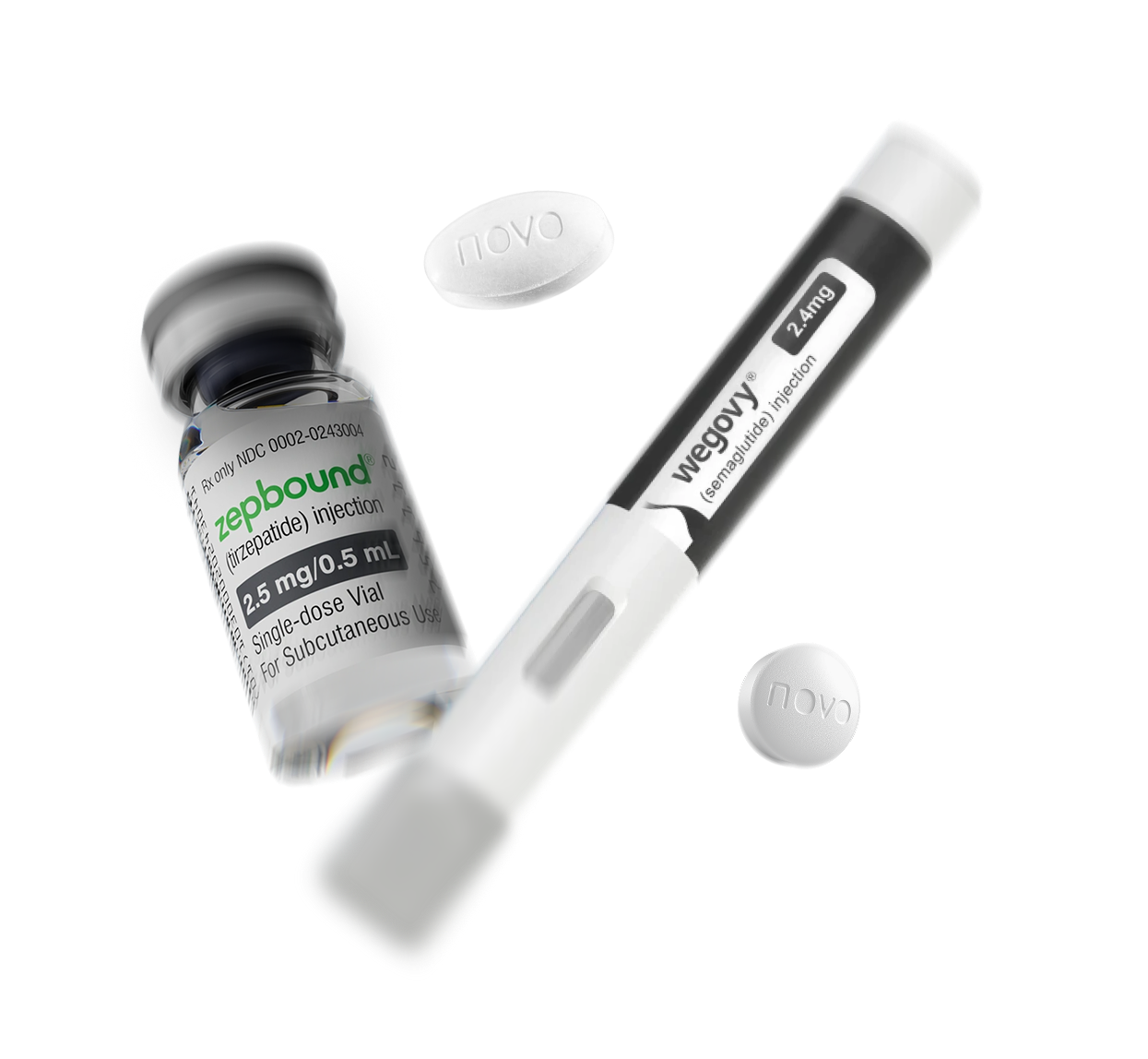
While retatrutide awaits its regulatory moment, the class of incretin-based therapies is far from static. Tirzepatide, the dual GLP-1/GIP agonist marketed as Zepbound for obesity and Mounjaro for type 2 diabetes, is currently the most potent approved agent in the class. Zepbound® with Ongoing Care and Zepbound® KwikPen® with Ongoing Care represent clinically supervised access to the current standard of care for patients who qualify and are seeking meaningful, medically managed weight reduction now rather than in 2026.

Semaglutide remains an important option for many patients, both as a GLP-1 receptor agonist with the longest established safety record in the class and as an agent with robust cardiovascular outcome data from the SELECT trial. The Wegovy® Pen with Ongoing Care and oral formulation through Wegovy® Pill with Ongoing Care provide structured access with clinical supervision. For patients already managing type 2 diabetes and seeking metabolic optimization, the Foundayo™ Pill with Ongoing Care represents another option in the oral GLP-1 landscape.

More broadly, a clinician-supervised GLP-1 program, such as GLP-1 Longevity Care, addresses the single most important determinant of outcomes with these medications: ongoing clinical management. The evidence consistently shows that patients who receive regular monitoring of metabolic markers, titration adjustments, and nutritional guidance alongside GLP-1 therapy achieve better outcomes and tolerate treatment more durably than those who access these medications without support.

Metabolic medicine also extends beyond the incretin class. For patients with cardiometabolic risk profiles that include elevated blood glucose, insulin resistance, or cardiovascular risk, complementary agents including Metformin and the SGLT2 Protocol address overlapping but distinct mechanisms. Metformin's activation of AMPK and modest inhibition of hepatic glucose production, combined with its emerging data in longevity biology, makes it a reasonable adjunct for patients awaiting more potent agents. SGLT2 inhibitors reduce cardiovascular and renal events through mechanisms largely independent of weight loss, a consideration for patients whose clinical risk profile extends beyond adiposity alone.

The Science of Weight Regain and Why It Matters for Long-Term Planning

One of the most clinically important findings to emerge from the GLP-1 and dual-agonist era is the magnitude of weight regain following discontinuation. The STEP 4 extension trial showed that participants who discontinued semaglutide regained approximately two-thirds of their lost weight within one year [10]. Similar patterns have been observed with tirzepatide in extension studies. These data make a fundamental biological point: obesity is a chronic neurobiological disease with a defended set point, not a simple matter of willpower or caloric arithmetic, and pharmacotherapy is maintenance therapy, not a finite course of treatment.

If the same weight-regain pattern holds for retatrutide, and the biology strongly suggests it will, then approval of retatrutide is not the end of a treatment decision but the beginning of a long-term management strategy. Patients and clinicians planning for retatrutide access in 2026 should begin now to frame it within a comprehensive metabolic health program that includes resistance exercise to preserve lean muscle mass during weight loss, protein optimization to mitigate sarcopenia risk, and regular monitoring of body composition rather than body weight alone.

The combination of GLP-1-class therapy with resistance training and adequate protein intake is not merely additive; there is evidence that exercise modifies the composition of weight loss toward fat mass rather than lean mass, partially mitigating the muscle loss that accompanies caloric restriction [11]. This synergy between pharmacological and behavioral interventions underscores why the most effective metabolic medicine programs integrate multiple modalities rather than relying on any single agent, however potent.

Retatrutide and the Longevity Medicine Framework

Zooming out from the regulatory timeline, retatrutide's significance to longevity medicine deserves explicit framing. The foundational premise of healthspan-focused medicine is that the diseases of aging, cardiovascular disease, type 2 diabetes, cancer, neurodegeneration, share common biological antecedents. Metabolic dysfunction is among the most important of those antecedents, and visceral adiposity is among the most tractable intervention targets. A drug that reduces body weight by more than 20%, reduces liver fat substantially, improves glycemic control, and likely reduces cardiovascular events represents an intervention on the upstream causes of multiple age-related diseases simultaneously.

This is not hypothetical extrapolation. The SELECT trial demonstrated that semaglutide reduced major adverse cardiovascular events by 20% in adults with established cardiovascular disease and obesity, without any requirement for type 2 diabetes [5]. If retatrutide's greater efficacy in weight and metabolic parameters translates to cardiovascular outcome data of comparable or superior magnitude, the case for its use as a longevity intervention, not merely an obesity treatment, will be scientifically compelling.

The emerging data on GLP-1 receptor agonists and neurodegeneration adds another dimension. Observational and preclinical data suggest that GLP-1 receptor activation may reduce neuroinflammation and slow the accumulation of amyloid and tau pathology associated with Alzheimer's disease, and semaglutide is currently in Phase 3 trials for both Alzheimer's disease and Parkinson's disease [12]. Whether retatrutide, with its additional glucagon receptor agonism and potentially greater central nervous system penetration, shares or amplifies these neuroprotective effects is an open and genuinely important scientific question.

What Patients Should Do Now

The practical question for a patient following retatrutide's development is not simply whether to wait for approval. It is how to use the 12 to 24 months before a potential 2026 approval productively, both in terms of metabolic health optimization and in terms of positioning to access retatrutide as quickly as possible once it is approved.

For patients with significant obesity and metabolic risk who are not currently on pharmacotherapy, initiating a supervised GLP-1 or dual agonist program now, rather than deferring to an uncertain future approval date, is clinically sensible. The evidence for tirzepatide is robust, its safety profile is well-characterized, and the metabolic benefits of even partial weight reduction are not trivial. A patient who loses 15% of body weight on tirzepatide over the next 18 months will enter a retatrutide program, if they choose to transition, from a metabolically stronger position than one who waited.

For patients already on GLP-1 or dual-agonist therapy who are achieving insufficient response, the question of whether to access compounded retatrutide through a clinically supervised program is a legitimate clinical conversation, one that requires transparent discussion of the regulatory status of the compound, the dose titration protocol, the safety monitoring plan, and the patient's risk tolerance. This is not a decision to make based on online forums or direct-to-consumer compounding pharmacy websites.

For patients approaching metabolic optimization from a longevity rather than disease-treatment frame, the full context of metabolic health matters: fasting glucose, insulin sensitivity assessed through fasting insulin or HOMA-IR, visceral adiposity assessed through imaging or waist circumference, liver enzyme trends, and lipid fractionation. These markers tell the story of metabolic aging with far more granularity than body weight alone, and they provide the baseline against which any pharmacological intervention should be measured.

Conclusion: A Molecule at the Edge of Approval

Retatrutide occupies an unusual position in medicine: a drug whose efficacy data already exceeds that of every approved agent in its class, but whose patients must wait for the regulatory process to catch up to the science. The Phase 3 TRIUMPH program is generating the data the FDA requires, and if the trials read out as expected, the retatrutide FDA approval story that began with a striking Phase 2 paper in 2023 will likely have its next chapter written in 2026.

For patients and clinicians navigating this interim period, the key insight is that the wait need not be passive. The metabolic health landscape offers clinically validated tools, from supervised GLP-1 programs to SGLT2 inhibition to structured exercise and nutrition protocols, that address the same biological terrain retatrutide will eventually occupy. The goal of extending healthspan by reducing metabolic disease burden does not begin with a future approval date. It begins with the decision to treat metabolic aging as a clinical priority today, with the best available evidence and the clearest possible understanding of what comes next.

Citations
  1. Jastreboff, A.M., Kaplan, L.M., Frías, J.P., et al. (2023). Triple-Hormone-Receptor Agonist Retatrutide for Obesity — A Phase 2 Trial. New England Journal of Medicine, 389(6), 514–526. https://doi.org/10.1056/NEJMoa2301972
  2. Wilding, J.P.H., Batterham, R.L., Calanna, S., et al. (2021). Once-Weekly Semaglutide in Adults with Overweight or Obesity. New England Journal of Medicine, 384(11), 989–1002. https://doi.org/10.1056/NEJMoa2032183
  3. Jastreboff, A.M., Aronne, L.J., Ahmad, N.N., et al. (2022). Tirzepatide Once Weekly for the Treatment of Obesity. New England Journal of Medicine, 387(3), 205–216. https://doi.org/10.1056/NEJMoa2206038
  4. Frías, J.P., Deenadayalan, S., Erichsen, L., et al. (2023). Efficacy and Safety of Co-administered Once-Weekly Retatrutide Versus Placebo in Adults with Type 2 Diabetes: A Randomized Phase 2 Trial. New England Journal of Medicine, 389(6), 527–540. https://doi.org/10.1056/NEJMoa2302031
  5. Lincoff, A.M., Brown-Frandsen, K., Colhoun, H.M., et al. (2023). Semaglutide and Cardiovascular Outcomes in Obesity without Diabetes. New England Journal of Medicine, 389(24), 2221–2232. https://doi.org/10.1056/NEJMoa2307563
  6. Sodhi, M., Rezaeianzadeh, R., Kezouh, A., & Etminan, M. (2024). Risk of Neuropsychiatric Adverse Events Associated with Glucagon-Like Peptide-1 Receptor Agonists. JAMA Internal Medicine, 184(4), 418–425. https://doi.org/10.1001/jamainternmed.2024.0517
  7. López-Otín, C., Blasco, M.A., Partridge, L., Serrano, M., & Kroemer, G. (2023). Hallmarks of Aging: An Expanding Universe. Cell, 186(2), 243–278. https://doi.org/10.1016/j.cell.2023.05.015
  8. Rinella, M.E., Lazarus, J.V., Ratziu, V., et al. (2023). A Multisociety Delphi Consensus Statement on New Fatty Liver Disease Nomenclature. Nature Reviews Gastroenterology & Hepatology, 20(11), 693–711. https://doi.org/10.1038/s41575-023-00784-5
  9. U.S. Food and Drug Administration. (2023). FDA Updates and Press Announcements on Drug Shortages and Compounding. U.S. Department of Health and Human Services. https://www.fda.gov/drugs/human-drug-compounding/fda-updates-and-press-announcements-angiotensin-ii-drug-shortages
  10. Rubino, D.M., Greenway, F.L., Khalid, U., et al. (2021). Effect of Weekly Subcutaneous Semaglutide vs Daily Liraglutide on Body Weight in Adults With Overweight or Obesity Without Diabetes. JAMA, 325(14), 1414–1425. https://doi.org/10.1001/jama.2021.3224
  11. Blüher, M., Rosenstock, J., Hoefler, J., et al. (2023). Effect of Semaglutide on Body Composition in Relation to Exercise in People with Overweight or Obesity. Nature Medicine, 29(9), 2342–2350. https://doi.org/10.1038/s41591-023-02412-4
  12. Svenningsson, P., Bataeva, I., Bhatt, D.L., et al. (2023). Cardiovascular and Neurological Outcomes with Semaglutide in Parkinson's Disease. New England Journal of Medicine, 388(22), 2015–2027. https://doi.org/10.1056/NEJMoa2302623